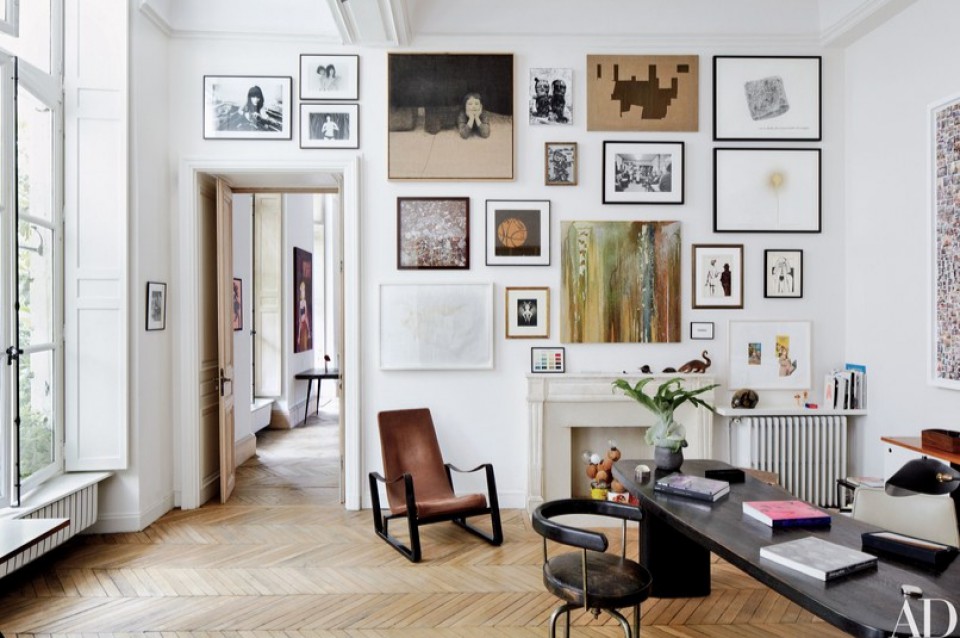
How to Make Your Living Room Comfortable for Relaxing and Working
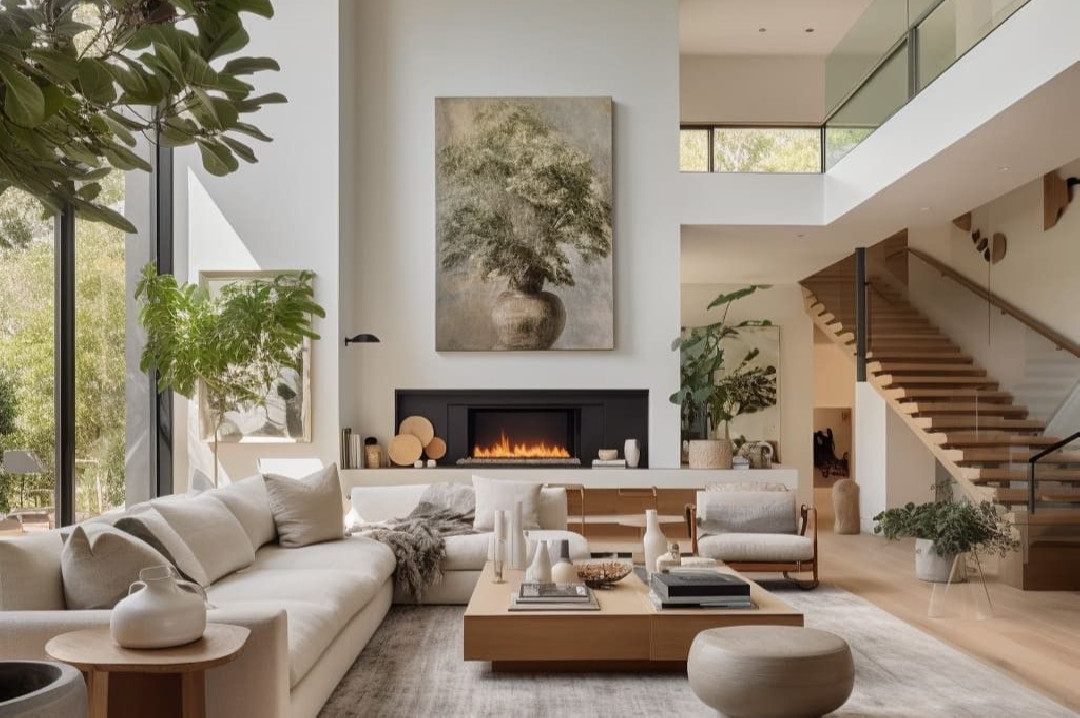
The living room is usually one of the most versatile spaces in the house. It can be a spot for binge-watching your favorite shows, chatting with family, or just lying down while scrolling through social media. Nowadays, with more people working from home, the living room can also become a comfortable workspace. The problem is, not every living room is automatically good for both purposes. Sometimes it feels cramped, the lighting isn’t right, the furniture doesn’t support it, or things are just scattered everywhere. Luckily, making your living room comfy doesn’t have to be complicated. A few simple tricks can turn it into a space that’s great for both relaxing and working.
1. Arrange Furniture and Space Smartly

The first thing that makes a living room comfortable—or not—is how the furniture is arranged. Throwing the sofa, table, or shelves anywhere can make the space feel tight, make it hard to focus when working, and even make relaxing less enjoyable. Here are some tips:
-
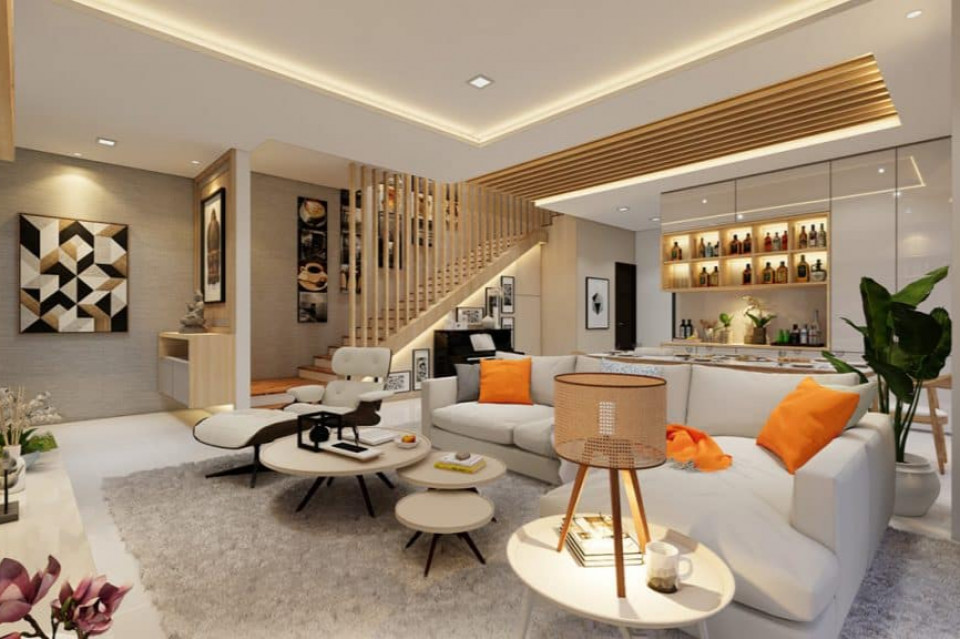
Separate relaxing and working areas: For example, one side of the living room can have the sofa and coffee table for chilling, and the other side can have a small desk for work. It doesn’t need a fancy divider; different rugs, a low shelf, or slightly different wall colors can work. This helps your brain automatically “switch” between relaxation mode and work mode.
-
Choose multifunctional furniture: Folding tables, shelves that double as room dividers, or a sofa bed can save space. A small table can be used for typing on a laptop while lounging. The more multifunctional the furniture, the more open the room feels, and the more comfortable it is for both activities.
-
Keep good traffic flow: Make sure there’s enough space to move around. You don’t want to bump into the coffee table or sofa when grabbing your laptop or a cup of coffee. Even leaving a little empty space in the middle can make the living room feel more relaxed.
-
Think about work ergonomics: If you’re working in the living room, pick a chair and desk that are comfortable for longer periods. Adding a cushion to support your back or legs can make sitting more comfortable. Being comfortable helps you focus better and prevents getting tired quickly.
Sometimes just moving the sofa a few inches or repositioning the table can completely change how the room feels. Don’t be afraid to experiment until it feels just right.
2. Lighting and Room Atmosphere

Lighting is simple but has a huge impact on comfort. Proper lighting prevents eye strain, makes the space warmer, and improves mood. Here’s how to handle it:
-
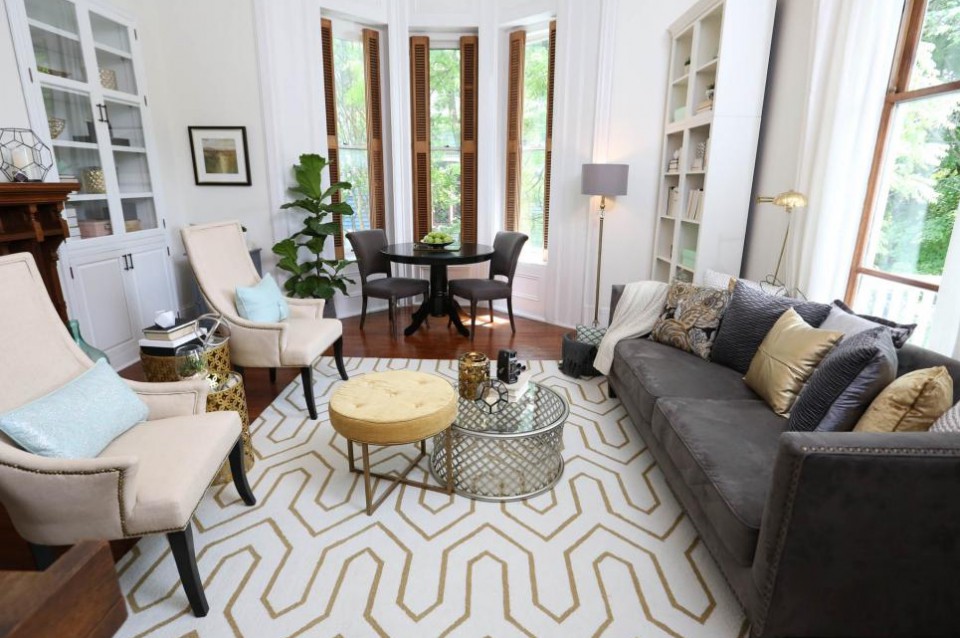
Use natural light: If there’s a window, open the curtains to let sunlight in. Morning or afternoon sunlight makes the room feel fresh and gives stable energy. Sheer curtains can help soften the light so it’s not too harsh but still bright.
-
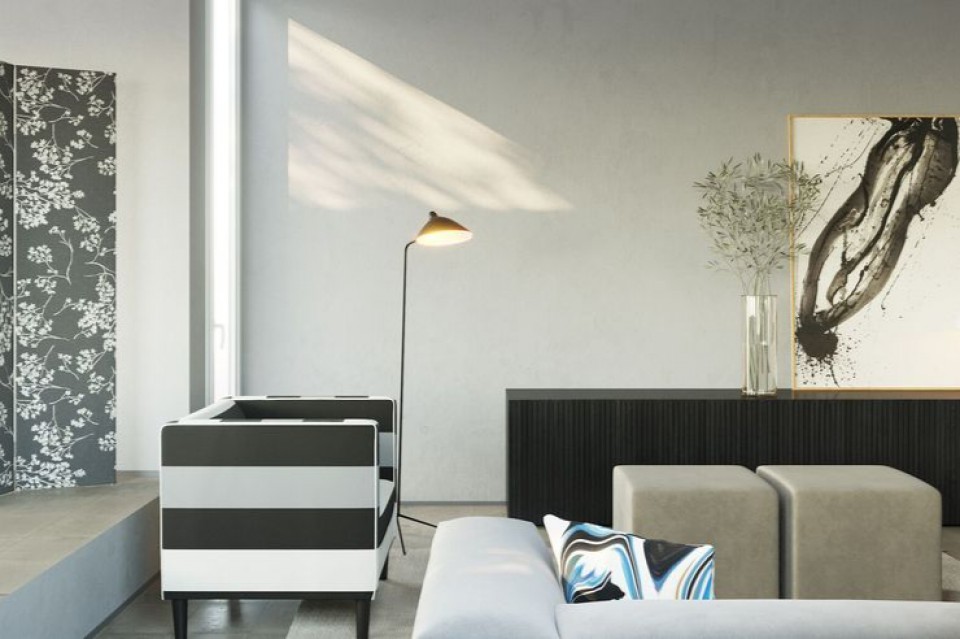
Add extra lamps: Floor or desk lamps can be great for work. For work areas, warm white light is perfect to avoid eye strain. For relaxing areas, warm light creates a cozy vibe. Wall lamps can also add style without taking up space.
-
Colors and decor: The color of the room affects mood. Neutral colors like cream, gray, or soft pastels make the space feel bigger and calmer. Want it more lively? Add bright pillows, rugs, or wall decorations. A nice atmosphere makes it easier to stay in the living room longer, whether relaxing or focusing on work.
-
Reflective surfaces: Mirrors or glass surfaces can help spread light around, making the room feel brighter and more spacious. This not only looks good but also maximizes natural light.
With proper lighting, the living room becomes a comfy place to relax and work without straining your eyes. Your mood while working can stay stable because the room feels pleasant, not cramped.
3. Keep Things Organized and Smart

Clutter makes it hard to relax and focus. That’s why storage and organization are key:
-
Open and closed shelves: Open shelves are good for display items or books you use often, while closed shelves hide things that make the room look messy. This keeps the living room tidy but still personal.
-
Small boxes or containers: Chargers, stationery, remotes, or other small items can be stored in dedicated boxes. It doesn’t have to be complicated, as long as everything has its place.
-
Minimize items: Move or store things you rarely use elsewhere. A less crowded space makes relaxing more enjoyable and work more focused.
-
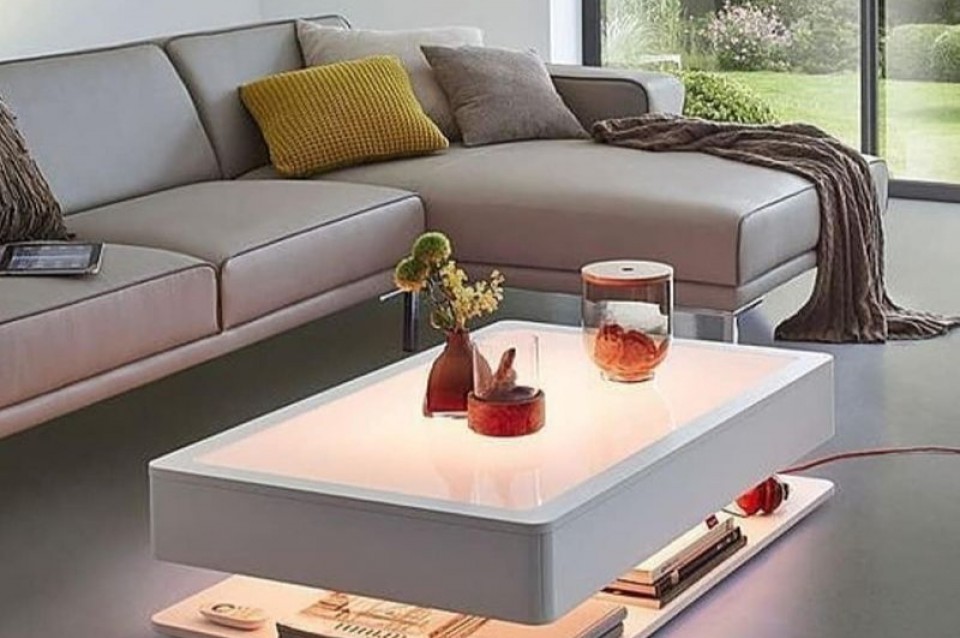
Double-function furniture: Coffee tables or ottomans with storage are perfect. Things stay out of sight but are still easy to reach, keeping the space stylish.
-
Label and categorize: If you have a lot of items, label them for easy access. For example, boxes for stationery, chargers, documents, or books. This keeps the room tidy and avoids frustration when looking for something.
Also, tidying up the living room every few days helps build a natural habit. A clean space makes relaxing easier and helps maintain focus when working.
Extra Tips to Make Your Living Room Cozier
Besides the three main points, a few small touches can make your living room even more inviting:
-
Houseplants: They make the room feel fresher, slightly cleaner in terms of air, and create a calmer vibe. Pick plants that are easy to take care of.
-
Extra cushions and blankets: Make the relaxing area comfier. They can also support your back or legs when working.
-
Personal accessories: Photos, posters, or favorite trinkets make the room feel more personal and improve mood.
-
Music or background sounds: Light music or white noise can help focus while working or create a relaxing vibe. Make sure the speaker or headphones are easy to reach.
-
Rugs or floor mats: Besides being comfortable for your feet, they can separate working and relaxing areas without needing a physical divider.
With the right furniture, good lighting, organized space, and a few personal touches, your living room can become the favorite spot in the house. It works for relaxing, watching shows, chatting, or even working from home comfortably.
Conclusion
The living room doesn’t have to be just a place to sit or a formal reception area. With the right furniture, proper lighting, tidy organization, and a few personal touches, it can be a multifunctional space for both relaxing and working. Separate relaxing and working areas, make the most of natural light, add extra lamps, keep things organized, and add personal touches. These simple tricks make the living room a comfortable spot to spend time, whether for relaxation or productivity. A comfy living room improves mood, makes activities easier, and makes the house feel more enjoyable overall.