
How to Eliminate Rotten Egg Smells From Your Home Water Supply
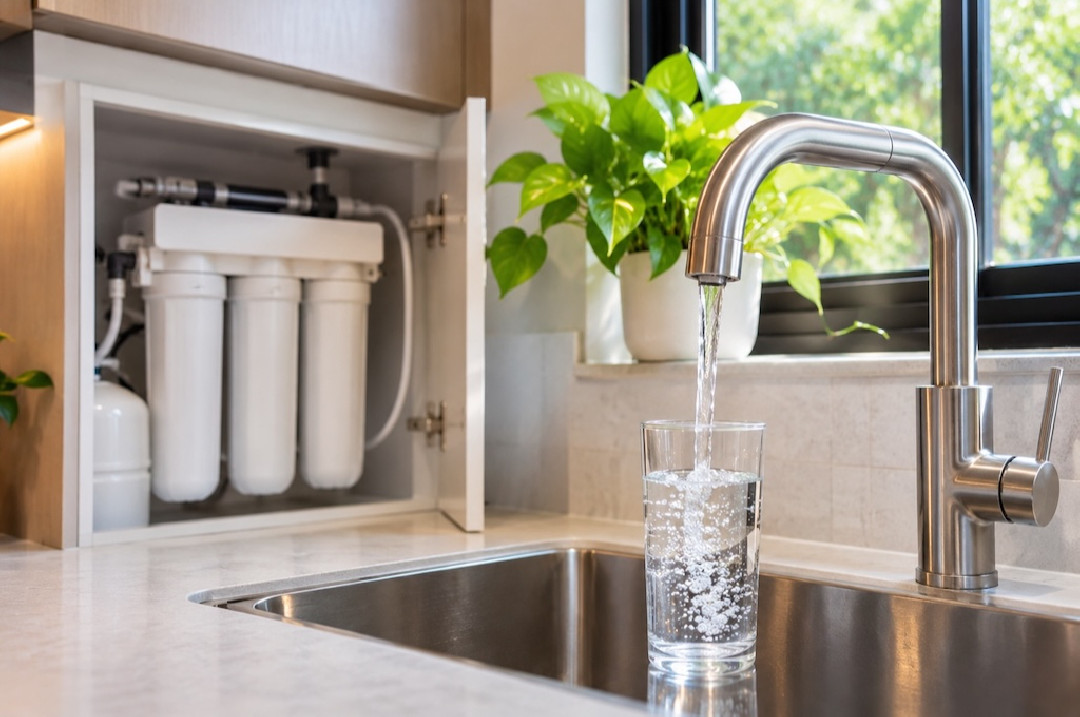
Few things disrupt a relaxing morning routine quite like the sudden, overwhelming smell of rotten eggs coming from your showerhead. This highly distinct and unpleasant odor is caused by hydrogen sulfide gas trapped in your water supply. While the Environmental Protection Agency classifies this gas as an aesthetic water concern rather than a strict health hazard, living with foul-smelling water is a major nuisance that can impact your daily comfort. In fact, the EPA establishes a non-enforceable guideline based on an odor threshold of just 0.05 milligrams per liter. Fortunately, with a bit of straightforward troubleshooting, you can identify the source of the sulfur smell and restore fresh, clean water to your entire home.
Diagnosing the Source of the Odor
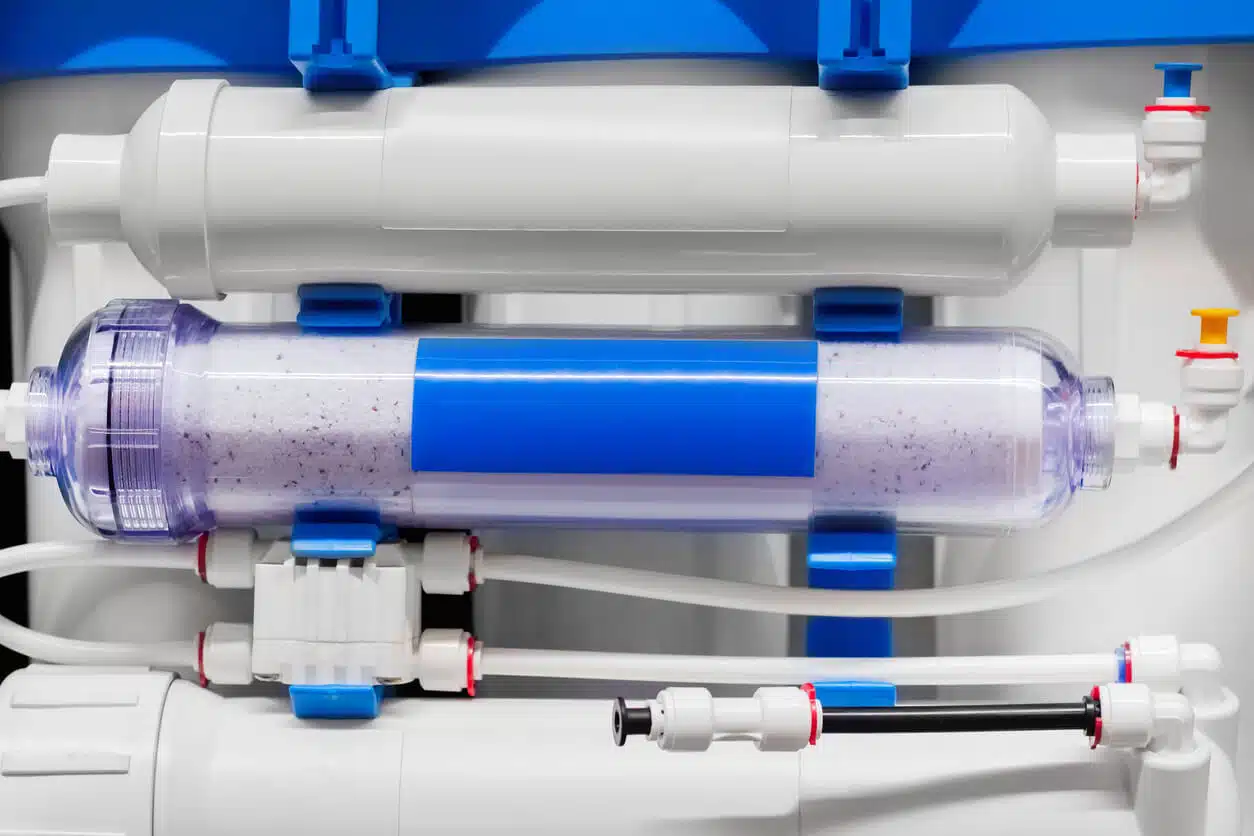
image source : aquaclearws.com
Before you can effectively treat the problem, you need to isolate where the smell is actually originating. Plumbers rely on a simple diagnostic test that any homeowner can perform in just a few minutes. Turn on your hot water tap and let it run for a little while. If the rotten egg smell is only present in the hot water, the culprit is almost certainly your water heater. However, if the odor flows freely from both the hot and cold taps, you are dealing with a broader groundwater supply issue.
When the issue stems from your well or municipal supply, treating the water before it circulates through your home is essential. Installing a dedicated sulfur water filter system at the point of entry is a highly effective way to manage this. These setups typically operate by injecting air to oxidize the dissolved hydrogen sulfide gas into a solid particle. Once converted to a solid, the sulfur is trapped in a filtration media bed and harmlessly backwashed out of your plumbing. The Water Quality Association notes that persistent sulfur issues in private wells frequently co-occur with high levels of dissolved iron and manganese, making this type of comprehensive filtration even more important for rural homeowners.
Understanding the Science and Symptoms
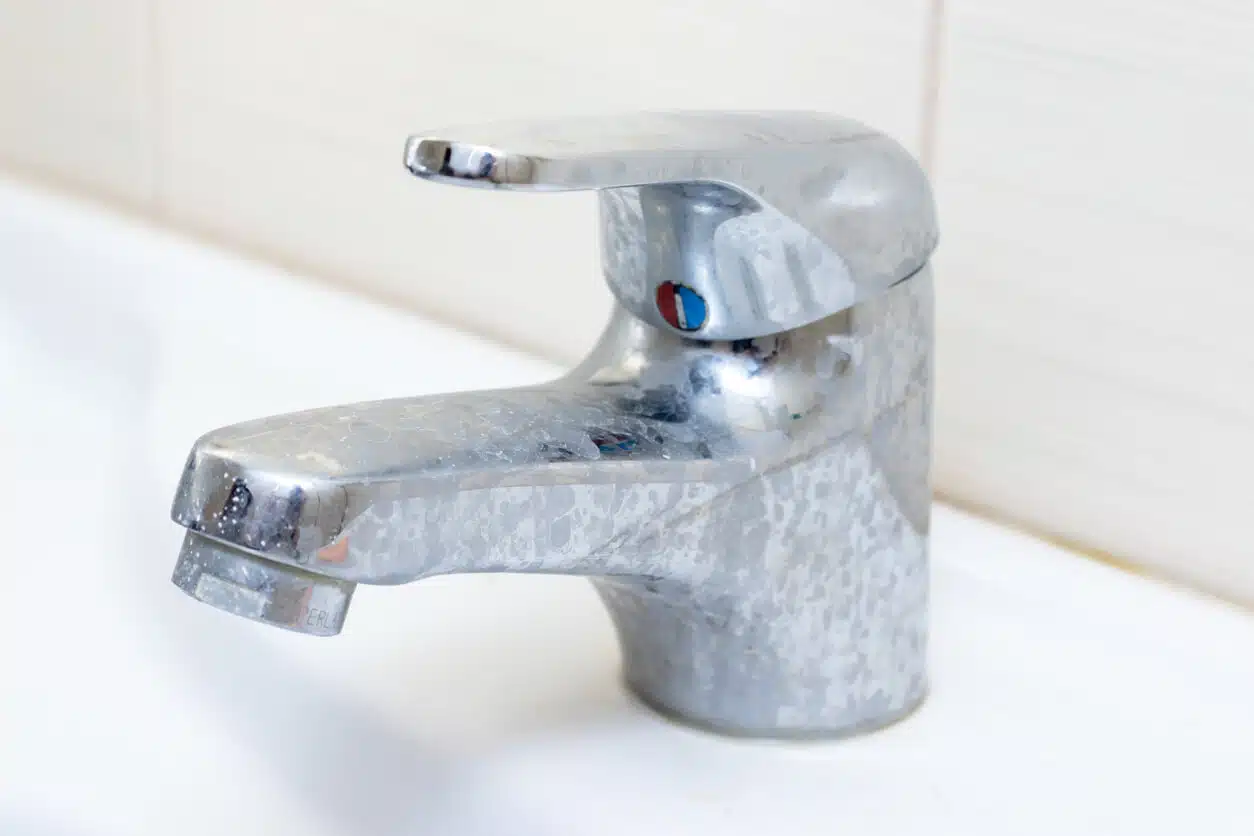
image source : aquaclearws.com
The human nose is incredibly sensitive to hydrogen sulfide gas. We can detect this specific odor at concentrations as low as 0.0005 to 0.3 parts per million in the air. When you take a hot shower, the higher water temperatures actively increase the release rate of this gas, causing the smell to compound rapidly in unventilated bathrooms. According to the Centers for Disease Control and Prevention, this gas evaporates quickly from water but is heavier than air. This causes it to pool in low-lying, poorly ventilated residential spaces like basements or crawlspaces.
Beyond the terrible smell, untreated sulfur water causes tangible damage to your property over time. At water concentrations of just 1.0 milligram per liter, hydrogen sulfide becomes corrosive enough to actively tarnish copper pipes, silverware, and brass plumbing fixtures. Furthermore, the naturally occurring sulfur bacteria responsible for the gas can produce a thick white, grey, or black slime. This organic residue frequently clogs residential irrigation systems, household pipes, and standard water softeners, leading to expensive plumbing repairs.
Effective Solutions for Odor-Free Water
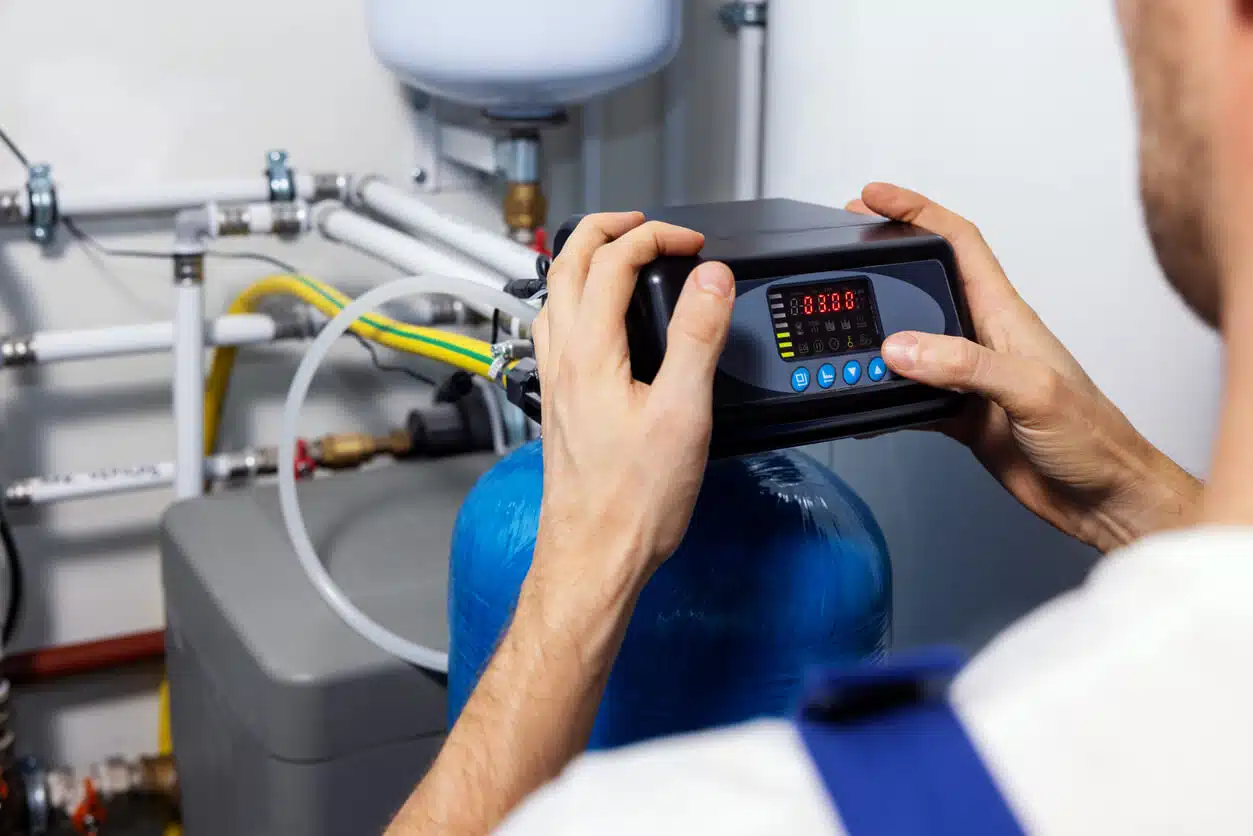
image source : aquaclearws.com
If your diagnostic test pointed to the water heater as the primary problem, the solution involves disrupting the chemical reaction happening inside the tank. Sulfur-reducing bacteria feed on naturally occurring sulfur compounds and chemically react with the standard sacrificial magnesium anode rod in your heater to produce the foul gas.
To eliminate the smell from a water heater or well system, homeowners have several practical options to consider:
- Upgrade to a titanium anode rod: Replacing a traditional magnesium rod with a powered titanium anode rod uses a low electrical current to completely halt the bacterial corrosion process. This advanced method often eliminates water heater odors within 24 hours.
- Switch to alternative metals: For a less expensive fix, plumbers frequently swap standard magnesium anode rods for aluminum or zinc alloy rods. These alternative metals are significantly less reactive to sulfur-reducing bacteria.
- Avoid temporary chemical flushes: Merely flushing a water heater with bleach or hydrogen peroxide is often just a temporary fix. The underlying chemical reaction will resume as soon as the disinfectants are washed out of the tank.
- Address sudden well contamination: If you rely on a private well and experience a sudden, rather than gradual, onset of a rotten egg smell, this can indicate new bacterial contamination. This scenario usually requires professional shock chlorination followed by formal laboratory testing to ensure the water is safe.

image source : aquaclearws.com
Managing your home utilities means addressing water quality issues head-on. Whether you need a simple hardware swap in your water heater or a comprehensive whole-home filtration upgrade, eliminating hydrogen sulfide gas protects your plumbing and improves your quality of life. By understanding the root causes of these odors, you can take decisive action to keep your home water supply fresh, clean, and completely odor-free.