Essential Pest-Proofing Steps to Take During a Home Renovation

Australians are currently in the midst of a historic home improvement boom. In the year leading up to June 2026, homeowners spent an incredible $16.6 billion transforming their existing properties, marking the highest annual total on record. With housing affordability constraints and higher interest rates keeping many families rooted in their current homes, alterations now account for roughly 37 per cent of all housing expenditure. Western Australia has been leading the charge, experiencing an 81.7 per cent surge in renovation spending over the last few years. While picking out bespoke fixtures for a $30,000 bathroom upgrade or designing an open-plan kitchen is exciting, homeowners often overlook a crucial element of the building process. Before closing up walls or laying fresh flooring, factoring in preventative pest protection is vital to safeguard your new investment.
The Hidden Financial Toll of Pest Damage
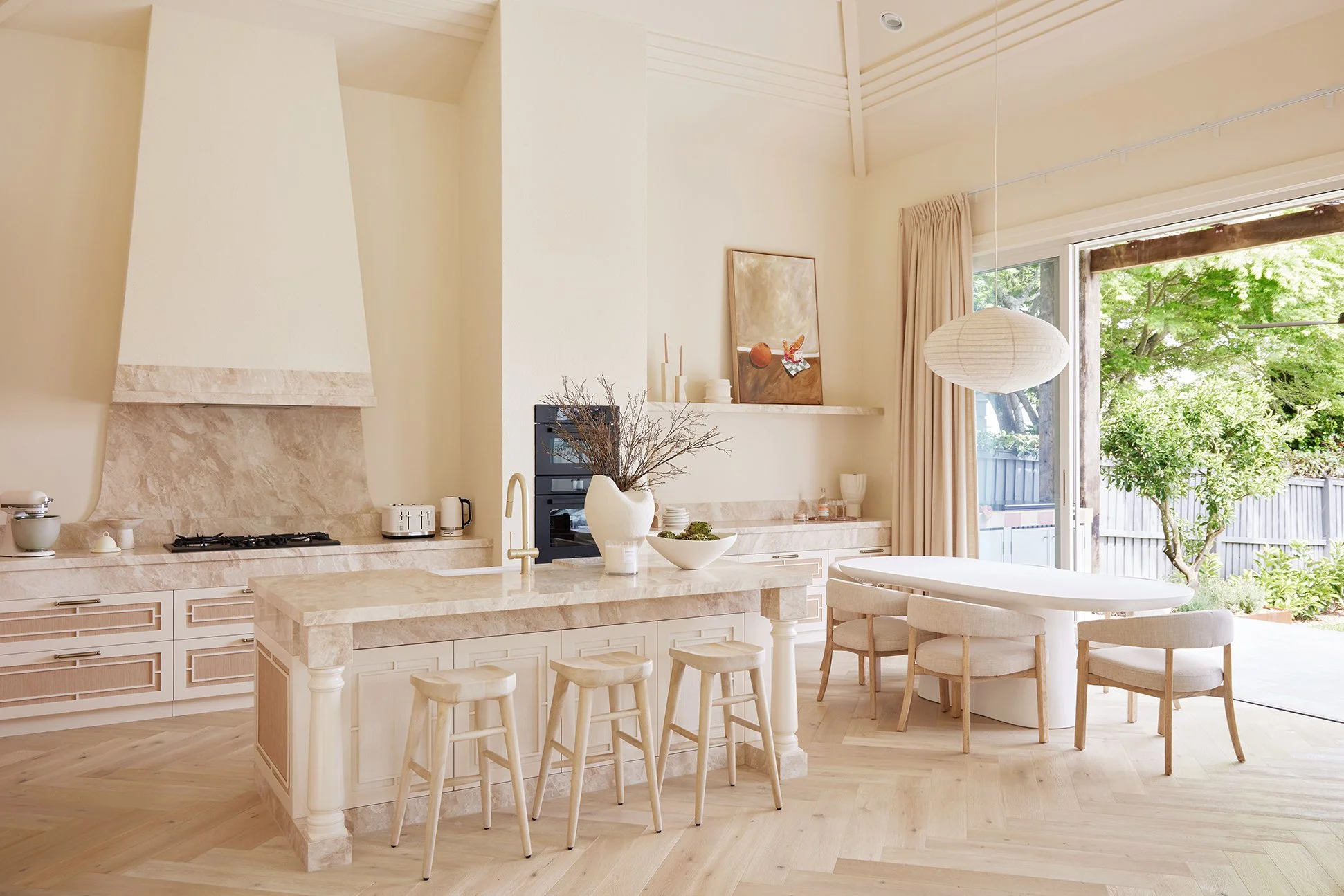 image source : threebirdsrenovations.com
When walls are opened up and original foundations are exposed, it creates the perfect window to assess a property for hidden vulnerabilities. Termites alone cause an estimated $1.5 billion in property damage across the country every year, affecting up to 180,000 homes. Subterranean termites are particularly destructive. If they go undetected, they can severely compromise structural floorboards and support beams in as little as six months. The average repair bill for residential termite damage sits around $10,000, though severe structural infestations can leave owners with out-of-pocket expenses exceeding $50,000. What catches many renovators completely off guard is that standard Australian home insurance policies explicitly exclude this kind of destruction. Because insurers classify it as a preventable maintenance issue, homeowners are entirely responsible for the costs. Bringing in a trusted provider like Control Pest Management early in the remodelling timeline ensures the site is thoroughly inspected and treated before new plasterboard goes up.
Navigating Building Codes and Structural Safeguards
 image source : shera.com
Major extensions and ground floor additions often trigger strict national building regulations. Under the National Construction Code, any new residential building or attached garage located in a designated risk area must incorporate a compliant termite management system. Furthermore, Australian Standard AS 3660.1 outlines exact requirements for designing and installing both physical and chemical barriers during major construction work. Recent legislative updates, such as the changes to Victoria's Building Regulations in May 2026, have expanded these requirements so that structural provisions now apply more broadly to new building work across the state. When pouring new concrete slabs for a home extension, builders are advised to design a 75-millimetre exposed slab edge. This smart architectural choice prevents pests from slipping inside unseen and ensures any external mud tubes remain highly visible. For subfloor renovations, building guidelines recommend maintaining a minimum 400-millimetre clearance. This provides adequate cross ventilation, keeps ambient moisture levels low, and allows enough room for routine visual inspections.
Essential Pest-Proofing Checklist for Homeowners
 image source : lendi.com.au
While primary structural frames are generally protected by modern building codes, secondary additions like custom timber cabinetry, wooden skirting boards, and window architraves remain highly vulnerable to infestation. To thoroughly pest-proof your property during a remodel, consider integrating these proactive steps into your project plan:
- Install a reticulated chemical system: If your project involves a new structural slab, laying a reticulated pipe network during the construction phase allows pest control professionals to replenish termiticide barriers in the future without tearing up your brand new flooring.
- Seal structural entry points: Use high-quality sealants around new plumbing penetrations, electrical conduits, and window frames to block the most common access routes for rodents, ants, and cockroaches.
- Choose treated building materials: Whenever framing out new interior spaces or building an outdoor entertaining deck, opt for termite-treated timber or naturally resistant hardwoods to add an extra layer of defence.
- Address exterior drainage: Use the landscaping and excavation phase to grade soil away from the foundation and repair any leaky exterior pipes. Removing standing water eliminates the moisture sources that attract pests to your property.
A major home renovation is a wonderful opportunity to upgrade your daily living space while simultaneously fortifying it against destructive invaders. By taking advantage of exposed structures and implementing physical barriers, chemical systems, and smart material choices, you are doing more than just refreshing your interior design. You are actively protecting a significant financial investment, ensuring your newly renovated Australian home remains safe, secure, and structurally sound for decades to come.