The Key Differences Between Everyday Interior Design and Property Staging
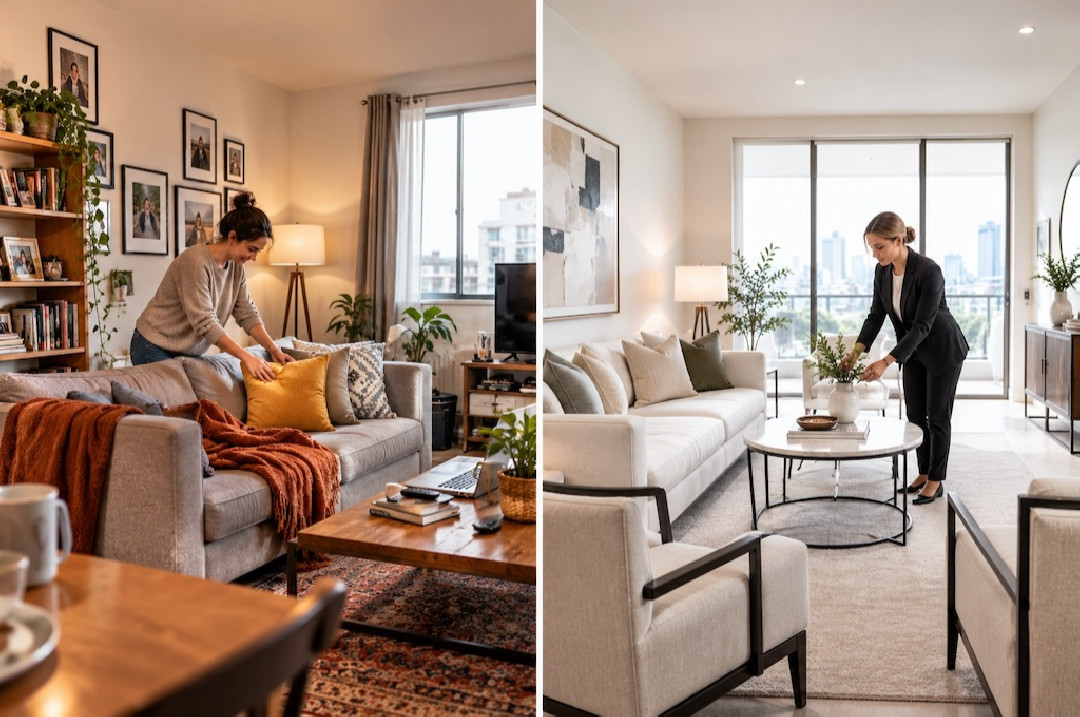
Preparing a house for the Australian property market requires a significant mindset shift. Homeowners often believe that a beautifully decorated living space will naturally attract premium offers from the moment it is listed. However, living in a house and selling a house are two entirely different scenarios. This transition involves transforming a private, personal sanctuary into a highly marketable commercial product.
When buyers are scrolling through listings or attending open inspections, they are not looking to buy your specific lifestyle. They are looking for a property where they can envision their own future. Recognising this fundamental difference is the first step toward achieving a successful and profitable sale.
Designing for Yourself Versus Styling for the Market
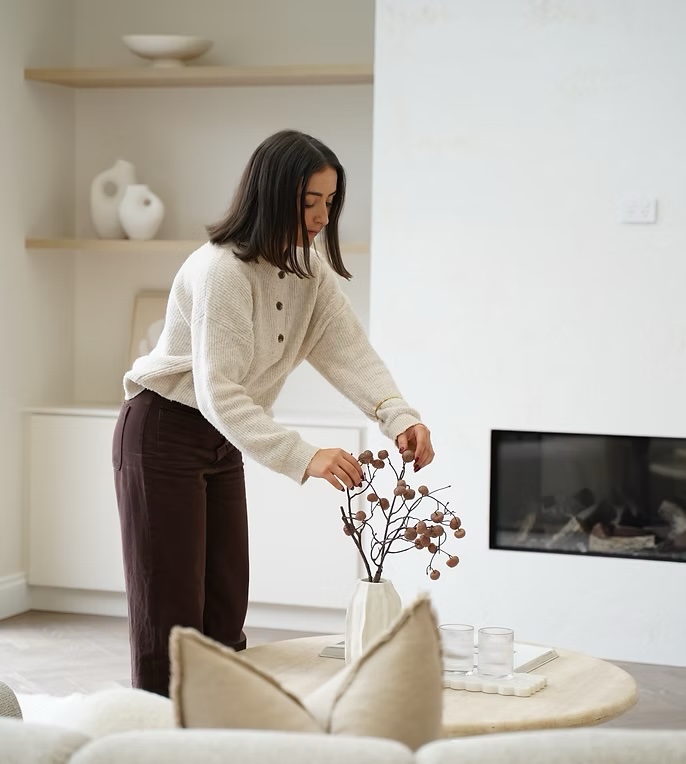 image source : styledhomestaging.com.au
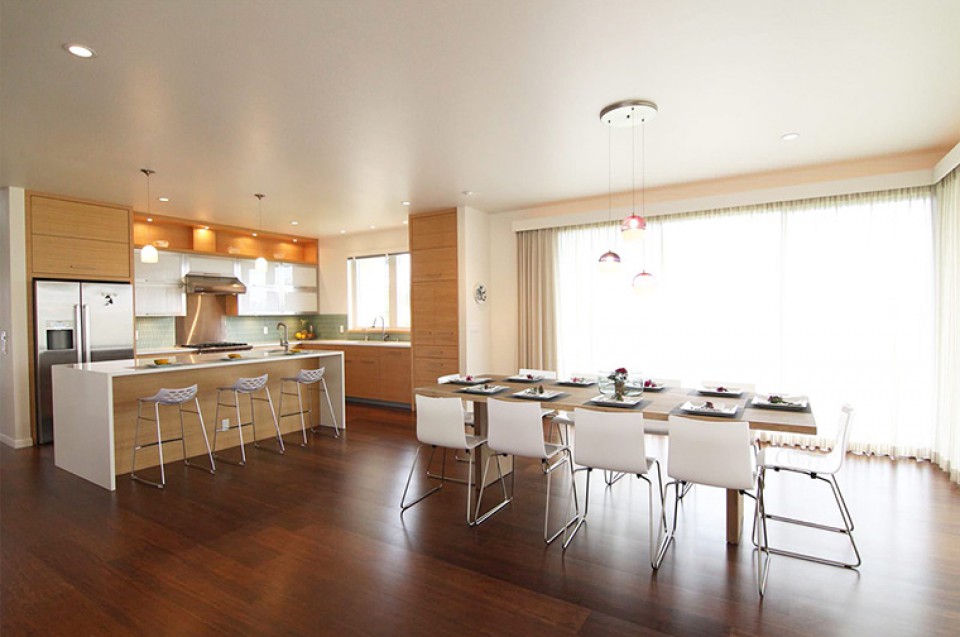
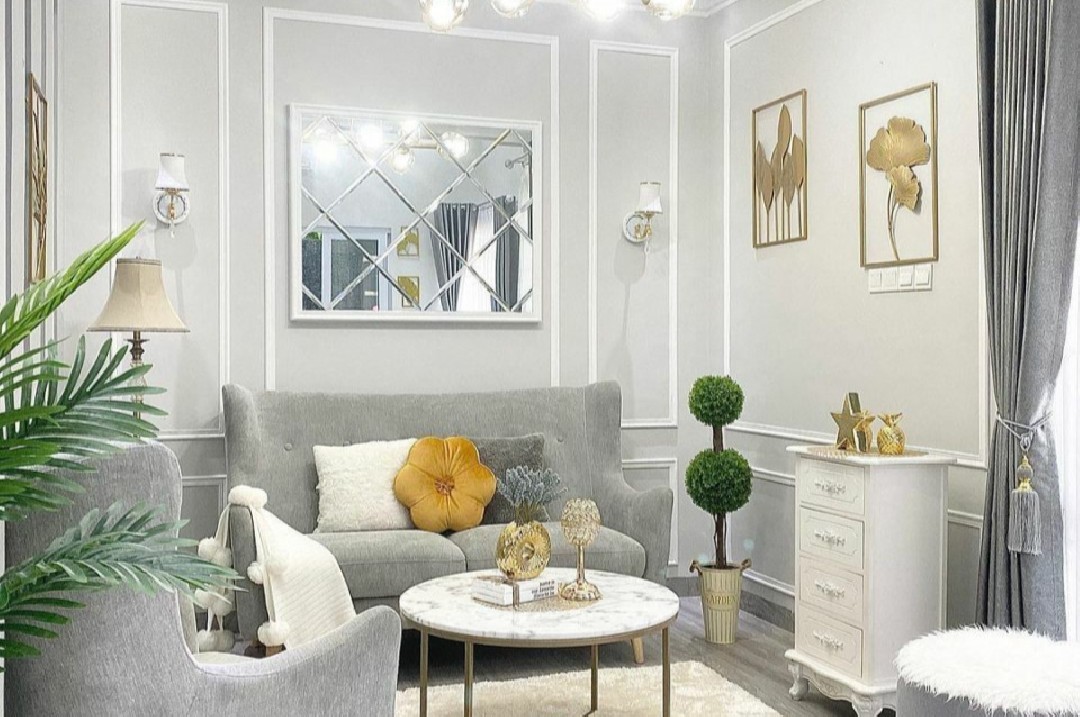
The core distinction between traditional interior decoration and real estate presentation lies in the end user. Everyday interior design is highly customised. It caters to the specific habits, personal aesthetics, and daily comfort of the current occupants. A homeowner might choose bold paint colours, unique vintage furniture, or layout choices that perfectly suit their quirky lifestyle and personal tastes. These highly personalised choices make a house feel like a true home to its owners.
In contrast, property styling neutralises a space to maximise mass-market appeal. The goal is no longer about expressing individuality but rather about creating an aspirational environment that attracts the highest number of potential buyers. To achieve this objective without emotional bias, many vendors choose to hire a dedicated home staging company to execute this visual transformation. These professionals understand local market cycles, buyer demographics, and precisely how to position furniture to make rooms feel larger and more inviting. By relying on experts, sellers can step back and treat the property as a valuable asset rather than an emotional attachment.
The Psychology of Selling Empty or Cluttered Spaces
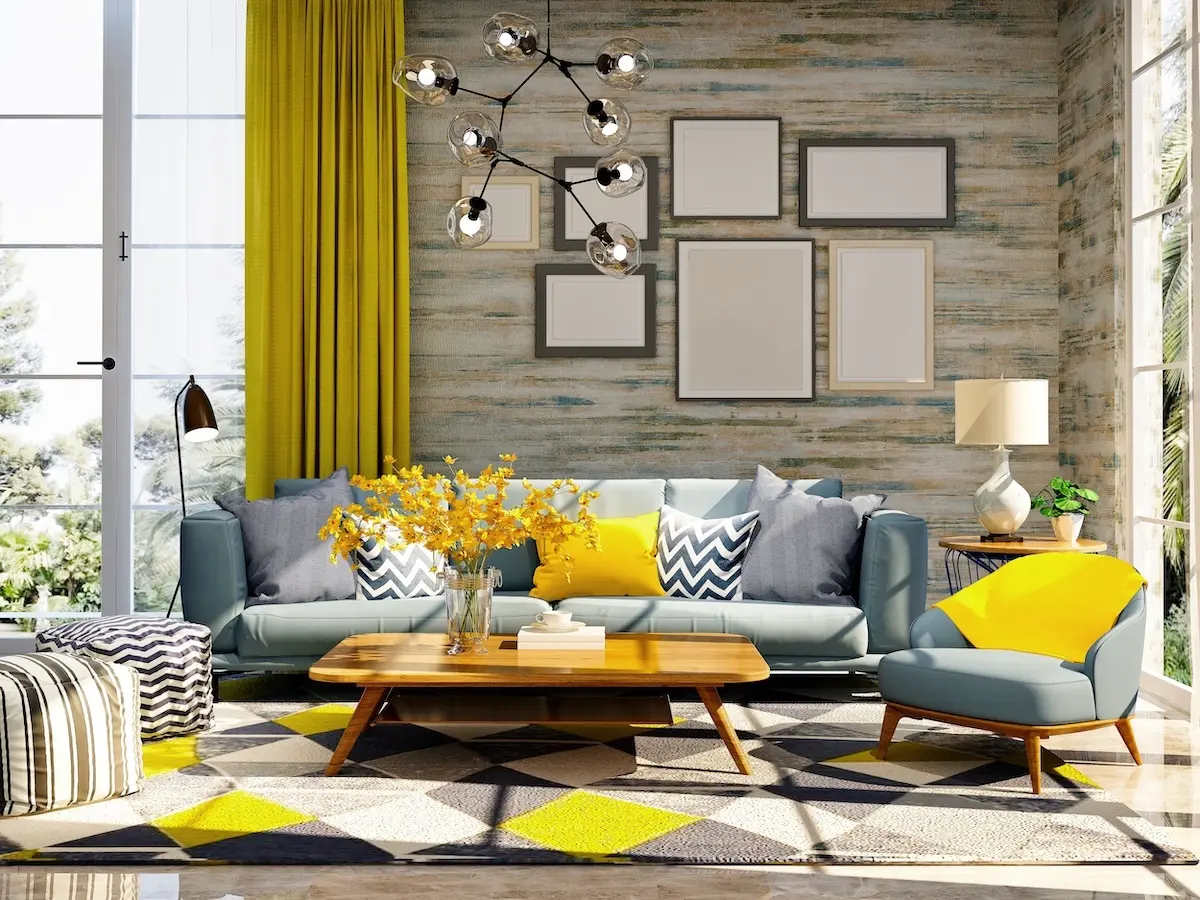 image source : nar.realtor
Emotional connection is a powerful driver in real estate transactions. When buyers walk into an open inspection, they typically make up their minds within the first few seconds. If a space is overly cluttered with family portraits and personal collections, buyers feel like intruders in someone else's home. Before bringing in stylish furniture, vendors must clear out personal items. Learning how to approach decluttering your home is a crucial first step to creating the blank canvas that professional stylists need. Removing excess items creates a sense of flow and spaciousness that appeals instantly to prospective buyers.
Once a space is cleared, the strategic placement of neutral, modern furniture completely changes the buyer experience. Empty rooms actually appear smaller than furnished ones, and buyers often struggle to understand how their own belongings might fit. Recent industry data provides concrete evidence of this psychological effect. According to an official 2025 report from the National Association of REALTORS, 83 percent of buyers' agents noted that staging a home made it easier for a buyer to visualise the property as their future residence. This ease of visualisation directly translates to confident, faster offers, as buyers feel reassured about the scale and functionality of every room.
Measurable Returns on Property Presentation
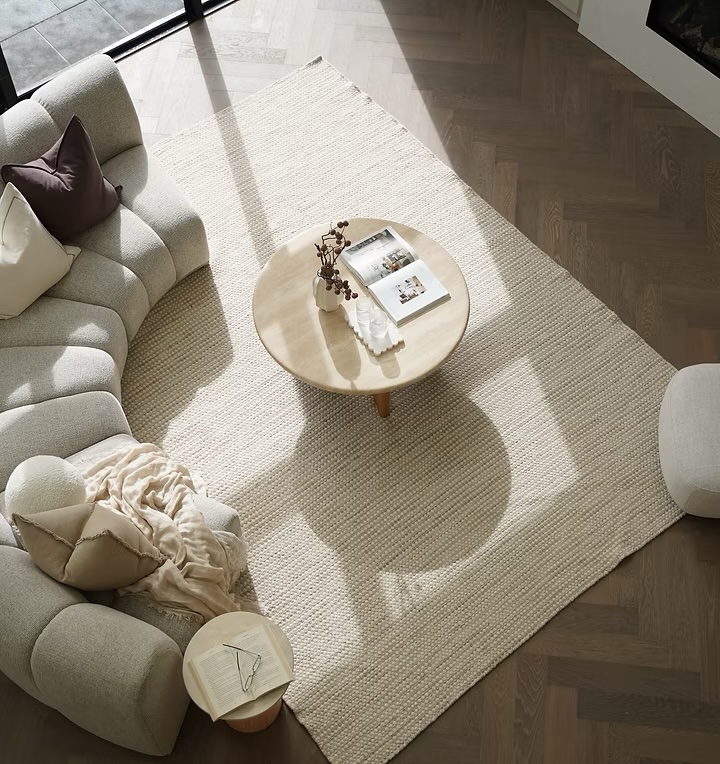 image source : styledhomestaging.com.au
Investing in professional presentation is no longer seen as a luxury reserved for luxury mansions. It has become a standard marketing strategy for entry-level and mid-range residential markets. Modern property stylists often advise homeowners to follow the one percent rule. This benchmark suggests that vendors should aim to invest between one and one and a half percent of their property's total estimated market value into preparation services to maximise their overall return on investment.
The data supporting this investment strategy is compelling. When looking at the recent Australian property market, professionally prepared homes consistently outperform unstaged counterparts. Here are some of the key advantages vendors can expect when they transition their mindset from personal design to strategic property marketing:
- Higher final sale prices: Recent industry data reveals that professionally styled homes can achieve between 7.5 and 15 percent higher sale prices compared to unstaged properties.
- Reduced time on the market: While the national median time on the market hovers around 30 days, beautifully styled properties average just 19 days, effectively reducing the selling timeline by up to 50 percent.
- Superior digital marketing: With over 95 percent of buyers initiating their property search online, photogenic interiors are essential for capturing clicks on digital real estate platforms.
- Stronger agent confidence: Industry surveys indicate that 88 percent of real estate agents consider professional listing photos to be the single most important marketing asset for a successful property launch.
Making the Shift Before You Sell
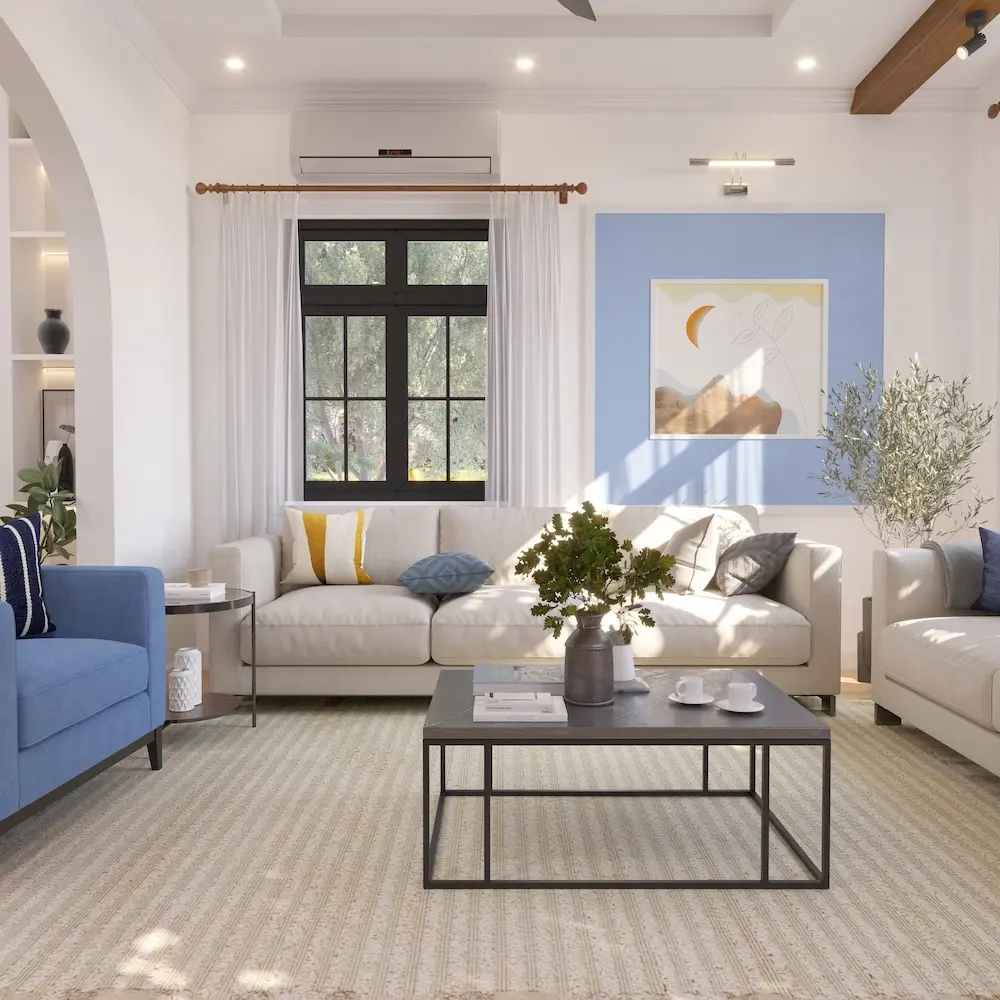 image source : nar.realtor
Ultimately, leaving your own interior design preferences behind is the hardest but most rewarding part of preparing for a sale. You are no longer decorating a living room for your own Friday night movie marathons. Instead, you are setting a stage that allows dozens of strangers to imagine their own future lifestyles. By embracing neutral tones, optimal furniture placement, and strategic minimalism, you can present a highly desirable product that stands out in a competitive real estate landscape.
Embracing this mindset ensures that your property is viewed through a commercial lens. While it is entirely natural to feel attached to the memories made within those walls, adopting a professional styling approach guarantees the best possible outcome when it comes time to hand over the keys to the next lucky homeowner.