
Securing Your Sanctuary: How to Choose the Best Home Security Company for Your Property
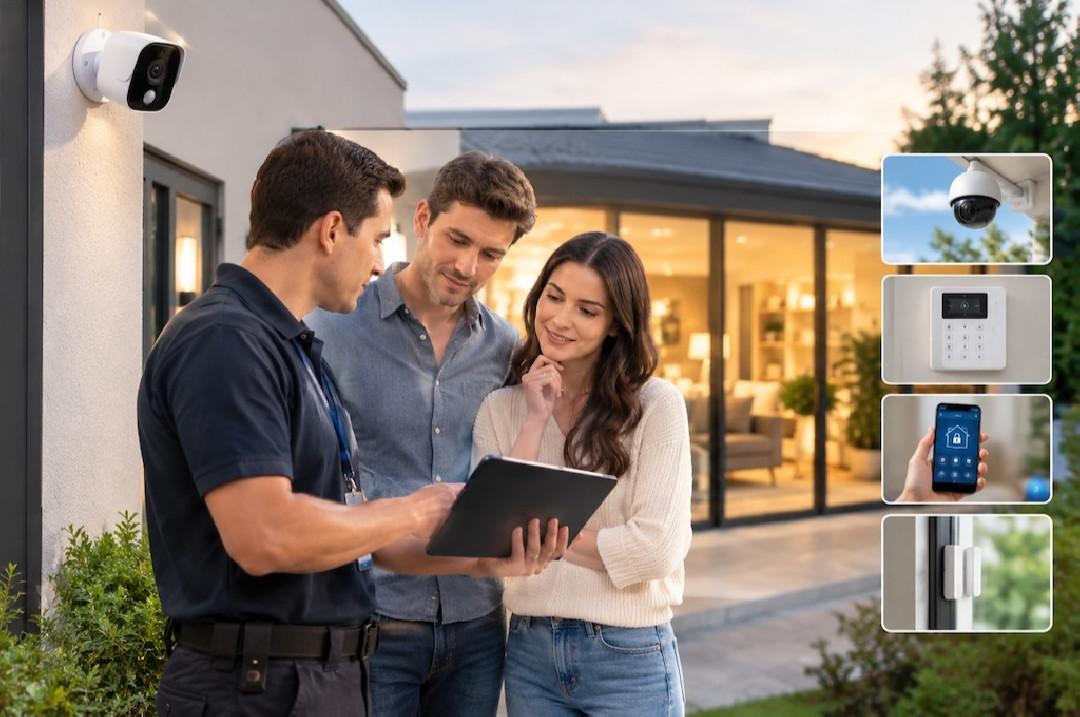
Your home is your sanctuary, a place where you and your loved ones should feel completely safe and protected. Investing in a home security system is one of the most effective ways to deter potential intruders, keep an eye on your property, and ensure peace of mind whether you are sleeping in your bed or traveling across the globe. However, with dozens of providers offering an array of high-tech devices, monitoring plans, and service agreements, selecting the right provider can feel overwhelming. Choosing the best Home security companies Lehi & Security Camera Installation Lehi requires evaluating your specific safety needs, understanding modern technology, and carefully examining contract details.
Assess Your Property and Security Needs
 image source : armthecolony.com
Before you begin browsing provider websites or speaking with sales representatives, take a close look at your home and daily routine. Every property possesses unique vulnerabilities and layout challenges. A ground-floor apartment in a busy urban neighborhood requires a different strategy than a multi-story suburban home with a large backyard and multiple entryway points.
Start by walking around your property to identify potential access points. Count the number of exterior doors, ground-floor windows, and secondary entryways such as garage doors or basement hatches. Consider whether you need specialized protection, such as environmental sensors for flood detection, freeze alerts, or fire and carbon monoxide monitoring. If you have pets, you will need motion sensors that can distinguish between human movement and a dog or cat wandering through the living room. Understanding these basic requirements ensures you only pay for equipment and services that actually enhance your safety.
Choose Between Professional and DIY Installation
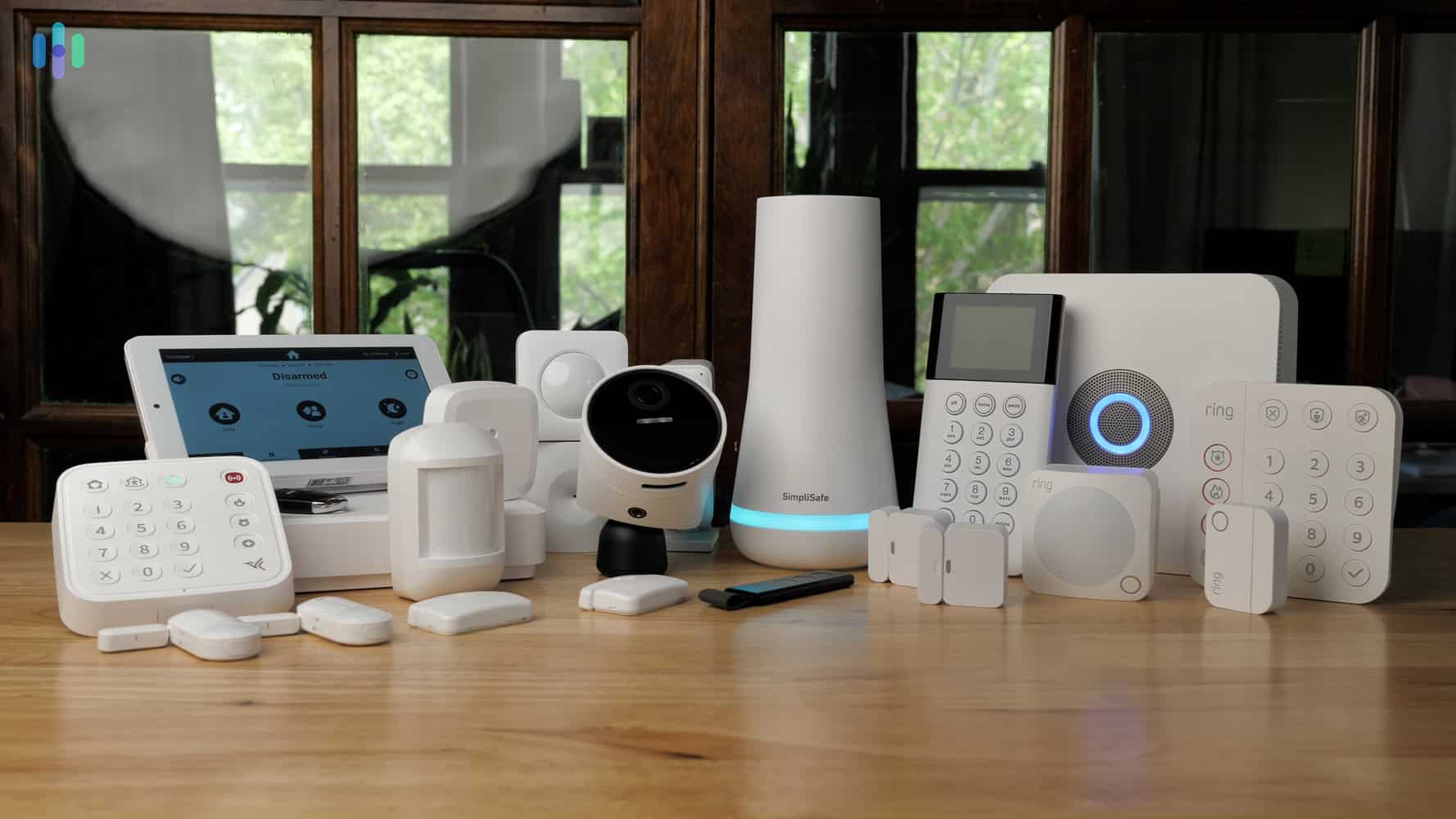 image source : security.org
Home security systems generally fall into two primary installation categories: professionally installed systems and do-it-yourself options. Each approach offers distinct advantages depending on your technical comfort level, budget, and living situation.
Professional installation usually involves a technician visiting your home to assess layout, mount sensors, run wires if necessary, and ensure all devices connect seamlessly to a central panel. This option is ideal for complex setups, larger properties, or homeowners who prefer a hands-off experience. However, professional installation often comes with upfront installation fees and scheduled appointment windows.
Do-it-yourself systems have surged in popularity due to their affordability and straightforward setup process. These systems arrive pre-configured, allowing you to mount sensors using adhesive strips and connect devices via wireless home networks. DIY systems are particularly appealing to renters, as equipment can easily be uninstalled and moved to a new home without damaging walls or violating lease agreements.
Understand Monitoring Options
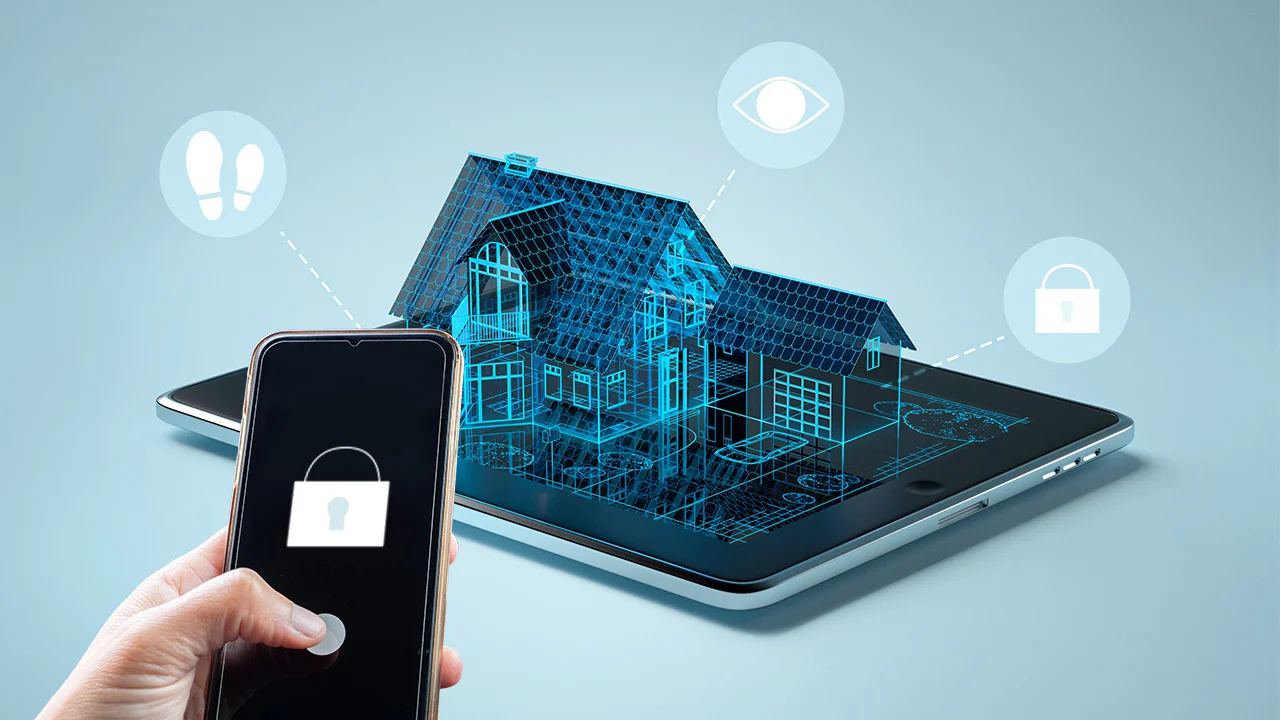 image source : pcmag.com
Monitoring is the operational heart of any home security setup, determining what happens when a sensor or camera is triggered. You must decide whether professional monitoring or self-monitoring best fits your lifestyle and budget.
Professional monitoring means a dedicated call center oversees your system around the clock. When an alarm triggers, trained operators attempt to contact you immediately to verify the event. If you do not respond or if an emergency is confirmed, they dispatch local law enforcement, fire departments, or emergency medical services. This option provides maximum safety, especially when you are asleep, away from your phone, or on vacation.
Self-monitoring relies on smartphone notifications sent directly to your mobile device whenever an event occurs. You are responsible for viewing live video feeds, assessing the situation, and contacting emergency services yourself if necessary. While self-monitoring eliminates monthly monitoring fees, it requires constant access to your phone and quick decision-making during high-stress situations.
Research Customer Reputation and Service Reliability
 image source : hackster.io
A home security system is only as reliable as the company supporting it. Thoroughly researching customer satisfaction, emergency response times, and service reliability before committing to a provider will save you frustration in the long run.
Look for independent customer reviews on third-party rating platforms, focusing on feedback regarding customer service responsiveness, equipment durability, and the ease of cancelling contracts. Inquire about the company's average emergency response time, as rapid communication between monitoring centers and local dispatchers is crucial during actual emergencies. Additionally, check local municipality regulations, as some cities require homeowners to register their security alarm systems and pay permits to reduce false alarm callouts.
Making Your Final Decision
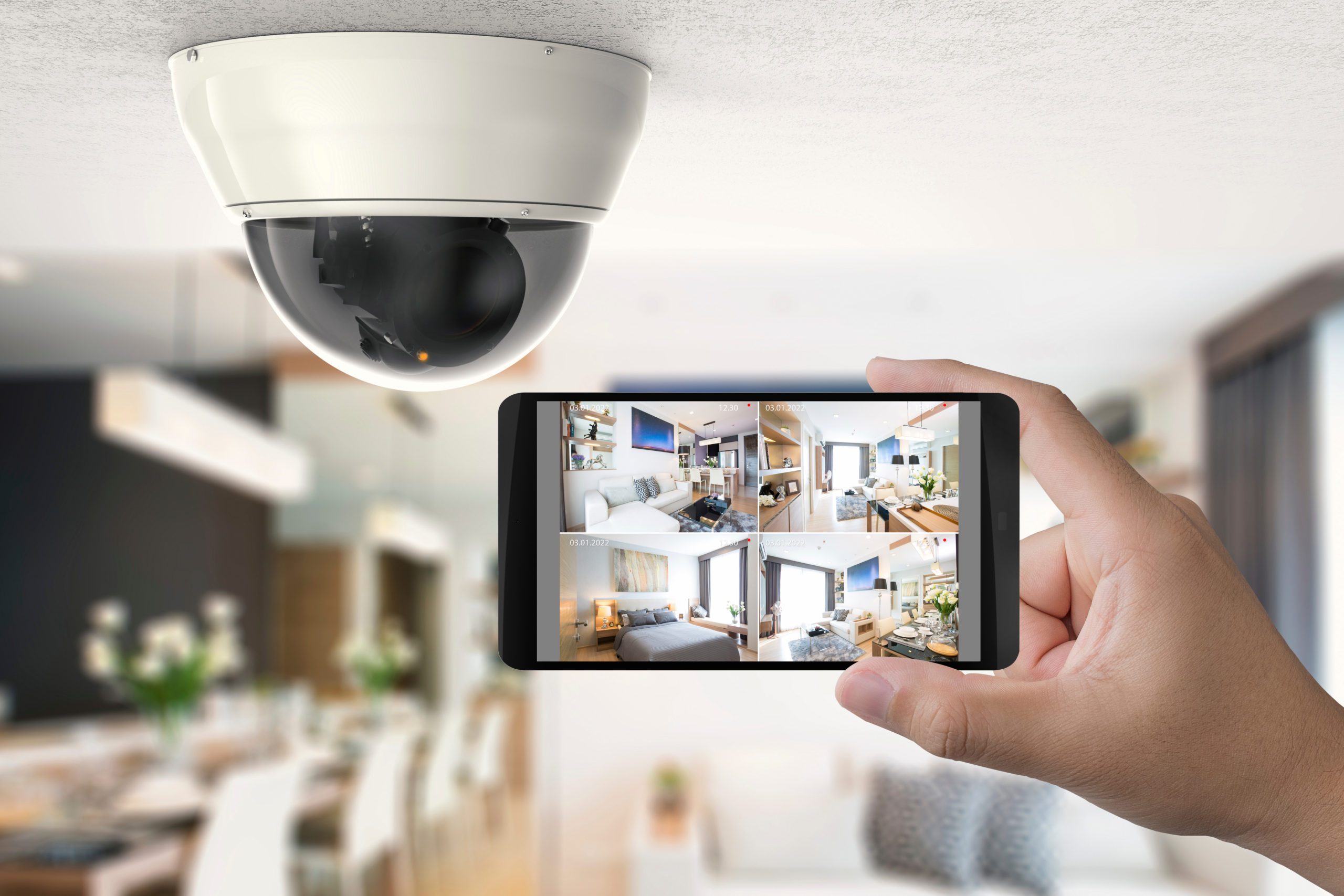 image source : explore.quantumfiber.com
Selecting the right security provider comes down to balancing your personal safety needs, desired technological features, and overall budget. Take time to request custom quotes, compare equipment packages, and ask prospective companies targeted questions about their monitoring operations and contract flexibility. By taking a systematic and informed approach, you can select a home security system that delivers long-term protection, convenience, and complete peace of mind for your home.