How to Layer Textures for a Cosier and More Elegant Living Space
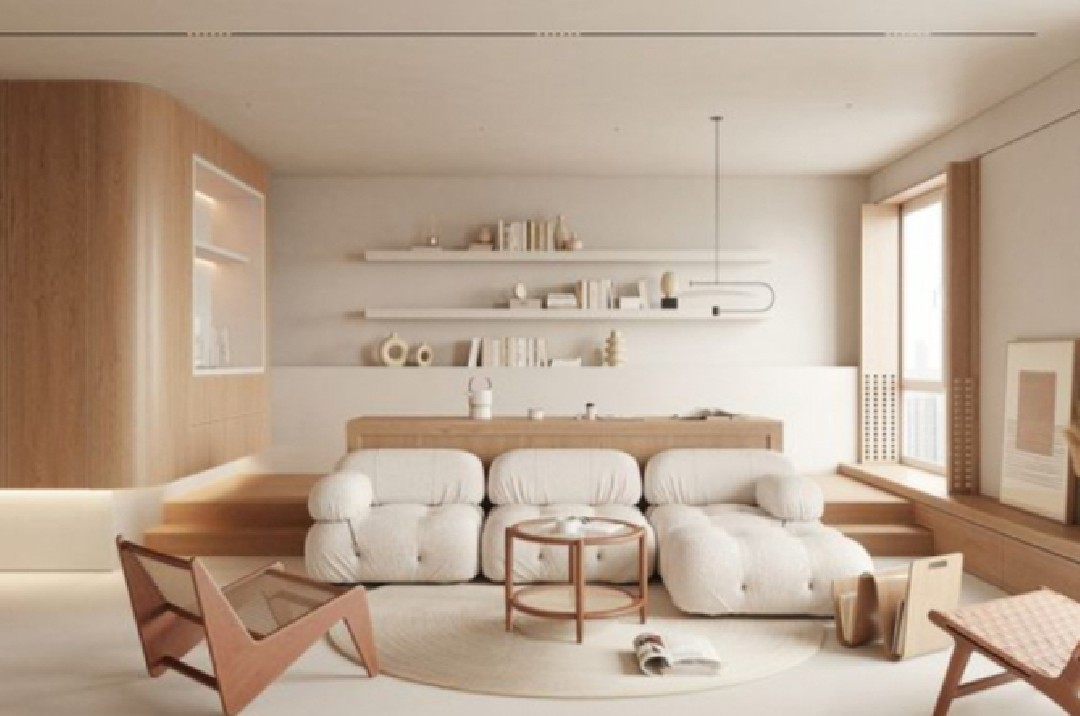
Australian interior design is experiencing a beautiful and highly anticipated shift. We are moving away from stark minimalism and embracing a concept known as organic modernism. This design philosophy champions warm, earthy colour palettes like terracotta, clay, and olive green to create spaces that feel grounded and authentically lived-in. Leading interior designers are calling this movement a neural correction, acknowledging a widespread shift toward sensory comfort. At the heart of this trend is the understanding that a home should not just look visually impressive, but it must actively support physical wellbeing and daily relaxation.
Start with a Warm Foundation
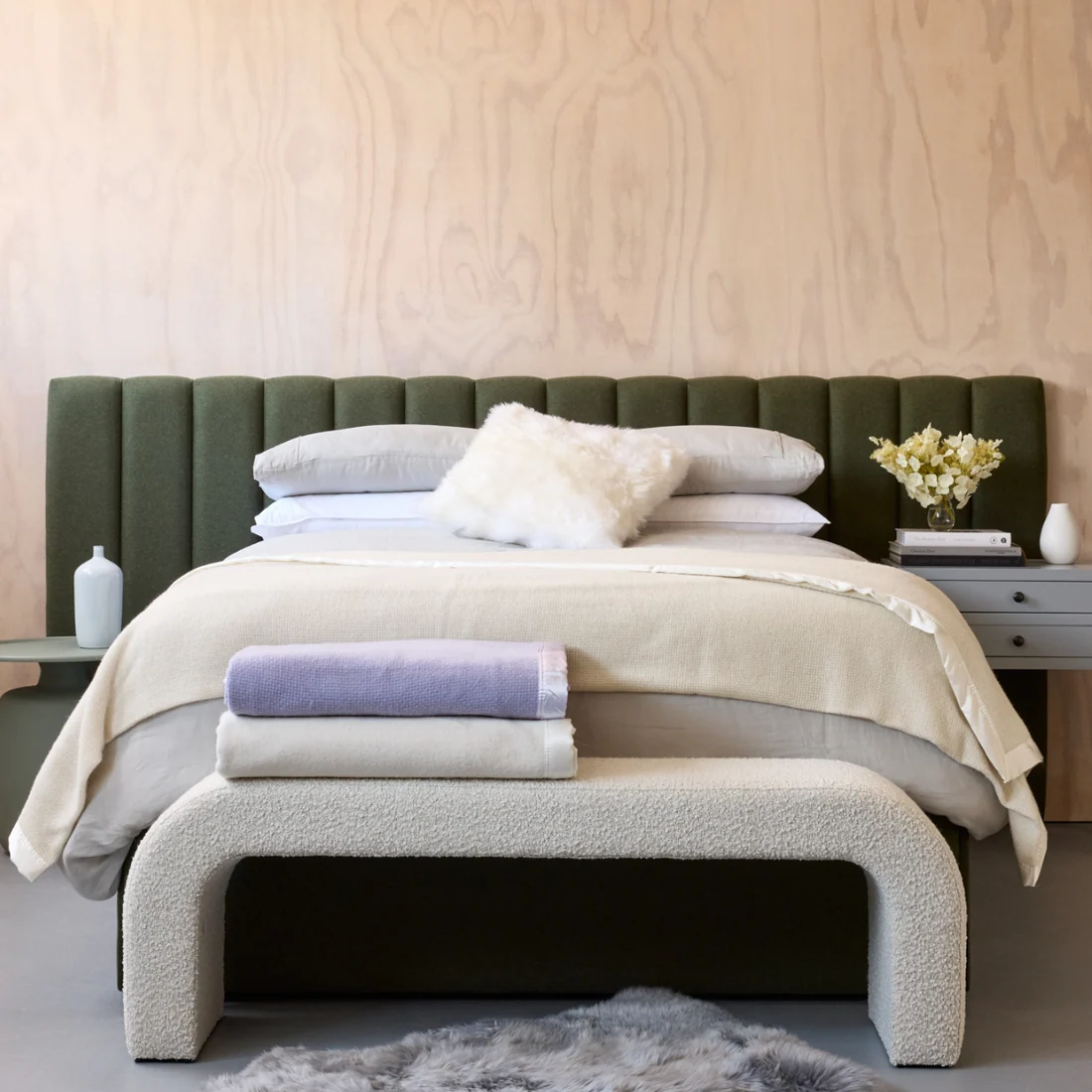
image source : creswickwool.com
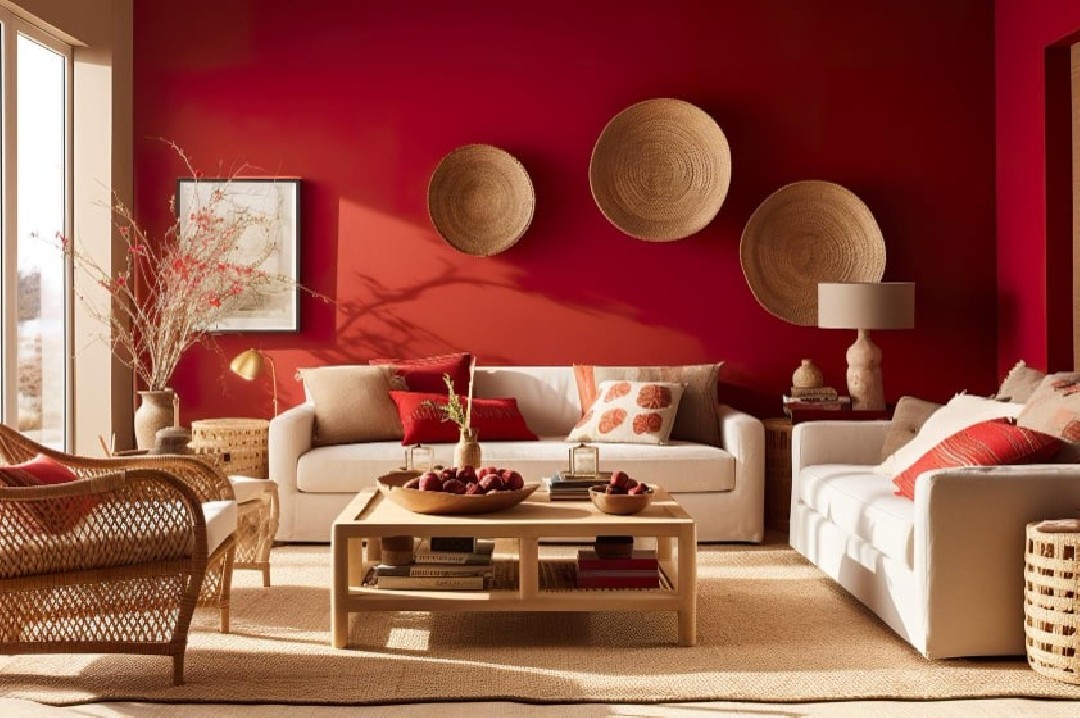
Before you bring in highly tactile elements, it is essential to set the right scene. The colours and base materials you choose will dictate how your layered fabrics and accessories interact with the room. Establishing a welcoming base with warm colours and natural materials is a crucial first step, as explored in this comprehensive guide to home decor ideas to make your home more homey and cozy. Once your foundational colour palette is in place, you create a quiet, elegant canvas that allows your premium soft furnishings to truly stand out. Think of your walls and larger furniture pieces as the backdrop. As natural sunlight shifts throughout the day, the dimensional qualities of your room will change, highlighting the beautiful imperfections of your carefully chosen decor.
The Art of Layering Soft Furnishings
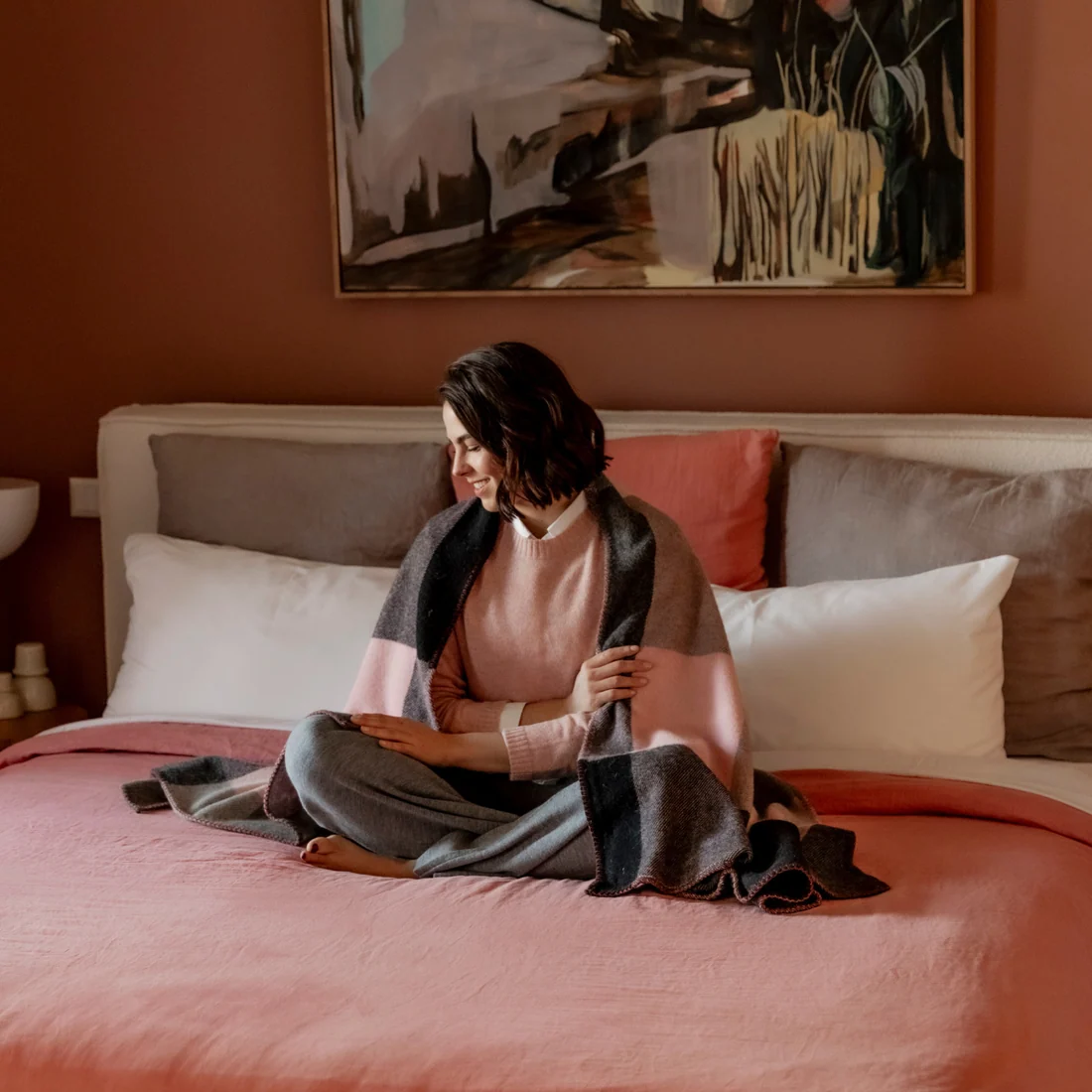
image source : creswickwool.com/collections
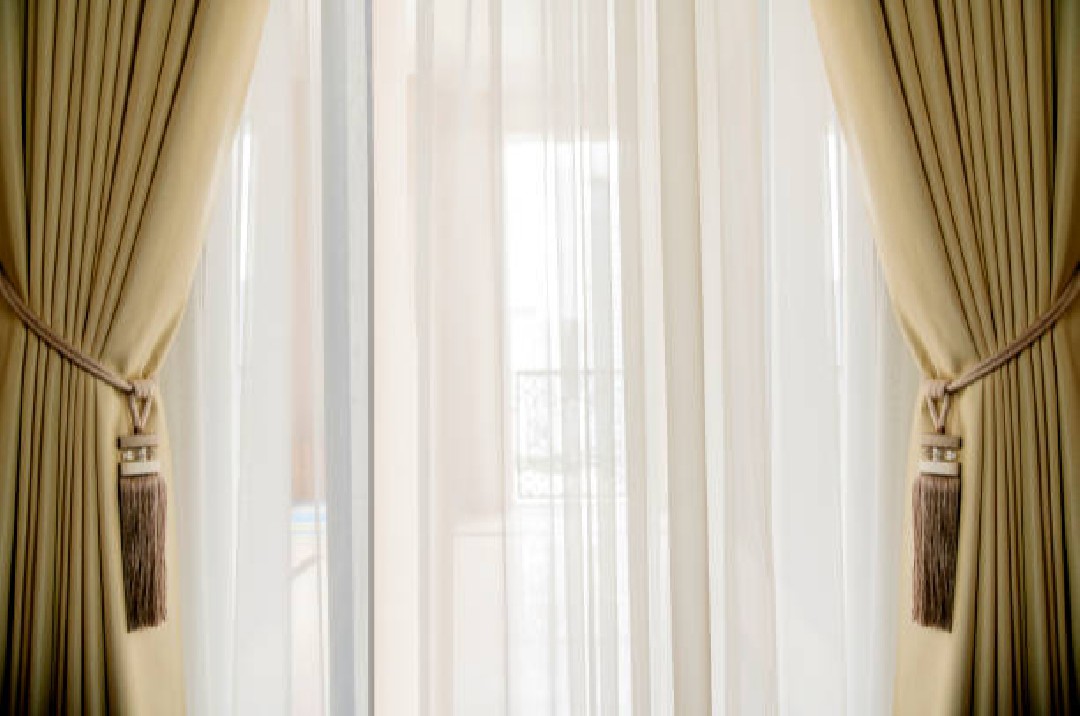
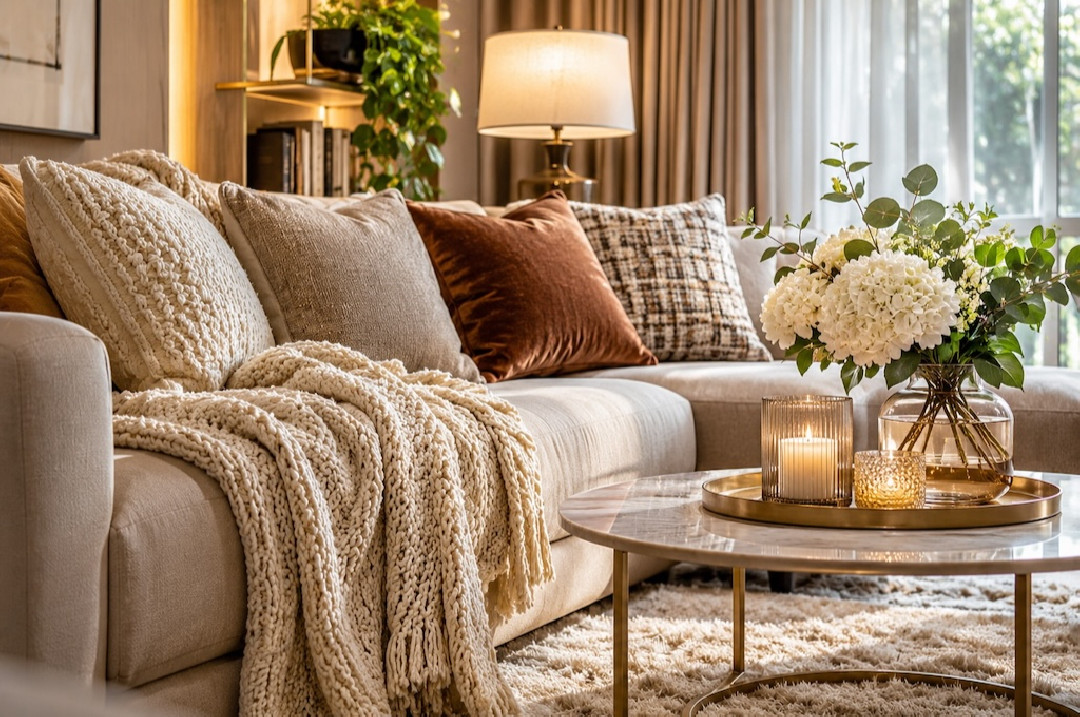
Texture-on-texture layering has quickly replaced sleek, high-gloss finishes in modern Australian homes. This technique relies on blending different tactile materials to add visual depth without relying on harsh colour contrasts. A practical starting point is your primary seating area. Introducing woven cushions alongside smooth linen upholstery creates immediate, inviting interest. To add an extra layer of warmth and sophisticated style, draping high-quality Throws over the arm of a sofa or the back of a reading chair instantly softens the room's architectural angles. These versatile textile additions are not just meant for winter warmth. When crafted from breathable, natural fibres, they subtly contribute to regulating the local micro-climate around your seating areas, ensuring year-round comfort while significantly elevating the room's overall aesthetic.
The Hidden Wellbeing Benefits of Natural Fibres
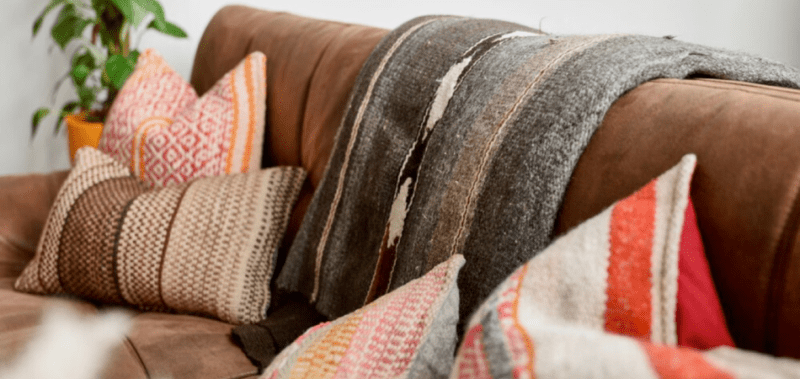
image source : iwto.org
The appeal of a beautifully textured room goes far beyond visual aesthetics. There is a growing body of research in the field of neuroaesthetics demonstrating that thoughtfully designed spaces can lead to a 15 to 20 percent reduction in stress hormones. Tactile experiences with natural fibres actively stimulate emotional processing centres in the brain, helping to lower heart rates and activate the parasympathetic nervous system in our chaotic modern lives. Furthermore, these materials are better for our environment and indoor health. According to the International Wool Textile Organisation, pure wool is entirely biodegradable, improves indoor air quality by remaining free from volatile organic compounds, and serves as an ideal, healthy choice for home interiors without contributing to microplastic pollution. Choosing natural materials over synthetic alternatives supports both your mental health and the planet.
Simple Steps to Elevate Your Decor
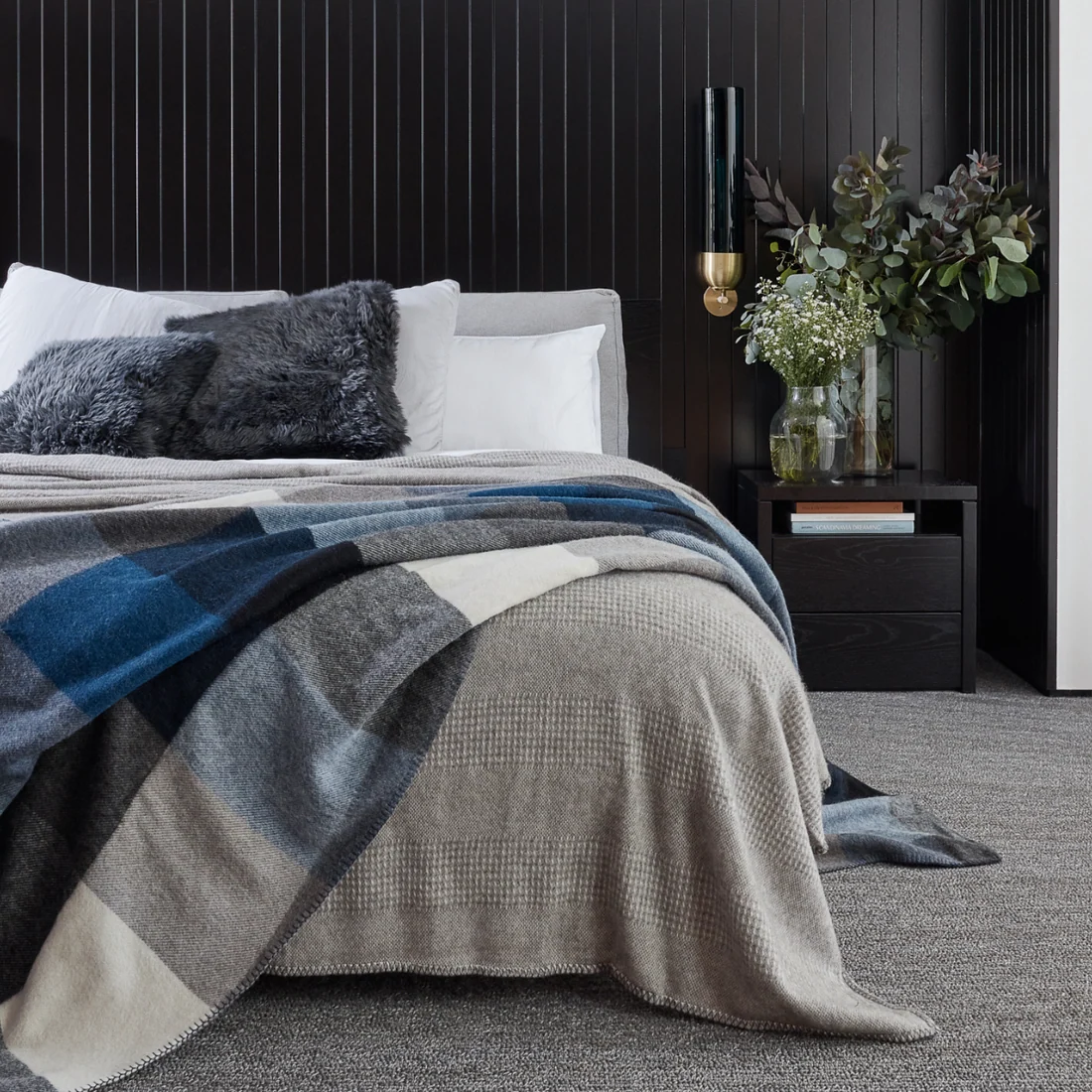
image source : creswickwool.com
Achieving a seamlessly layered look requires a bit of strategy to avoid making the room feel cluttered or overwhelming. By following the popular design philosophy of buying less and buying better, you can curate a selection of sustainable, heirloom-quality pieces that naturally resist wear and develop character over time.
Here are a few practical ways to mix textures effectively:
- Mix raw and refined finishes. Pair a smooth, polished leather armchair with a chunky, knitted woollen blanket to create an inviting and sophisticated contrast.
- Utilise natural colour variations. Look for textiles crafted with mélange yarns, where multiple natural tones are woven together to add quiet complexity to a room.
- Embrace organic shapes. Complement your soft fabrics with furniture that features raw edges and curved, biophilic designs that echo the soothing imperfections of nature.
- Focus on your flooring. Layering a plush, highly textured rug over hardwood or polished concrete floors helps absorb ambient sound and adds immediate warmth underfoot.
Creating a cosier and more elegant living space is ultimately about engaging all the senses. By carefully layering rich textures and prioritising natural, sustainable materials, you can easily craft a home that feels like a true, restorative retreat. It is a sensory approach to interior design that ensures your living environment supports your daily wellbeing just as much as it delights the eye.