Transforming Your Coastal Home With Modern Paint Trends and Finishes
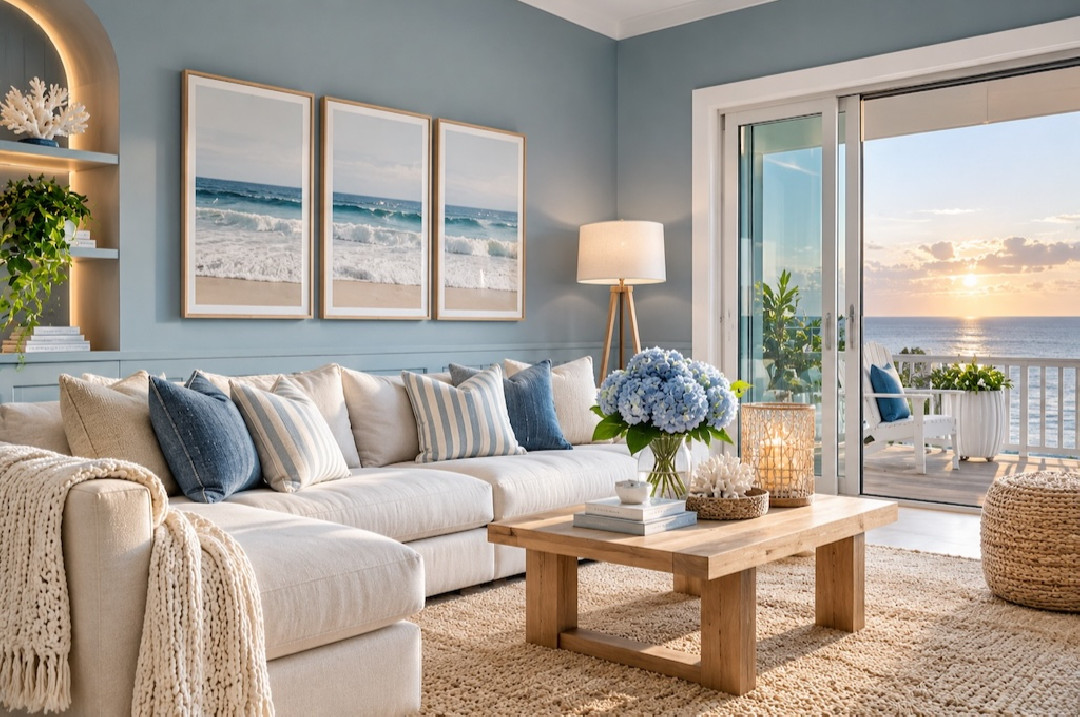
Living by the Australian coast offers a lifestyle filled with fresh sea breezes, stunning views, and a relaxed atmosphere. However, the exact elements that make seaside living so desirable can also be incredibly harsh on your property. Salt spray, high humidity, and intense ultraviolet radiation take a significant toll on building materials. Upgrading your property requires a careful balance of beautiful modern aesthetics and highly durable finishes that can withstand the elements. Homeowners must consider both the visual appeal and the long-term protective qualities of their chosen exterior finishes to preserve their real estate investment.
The Impact of Coastal Environments on Your Home's Exterior
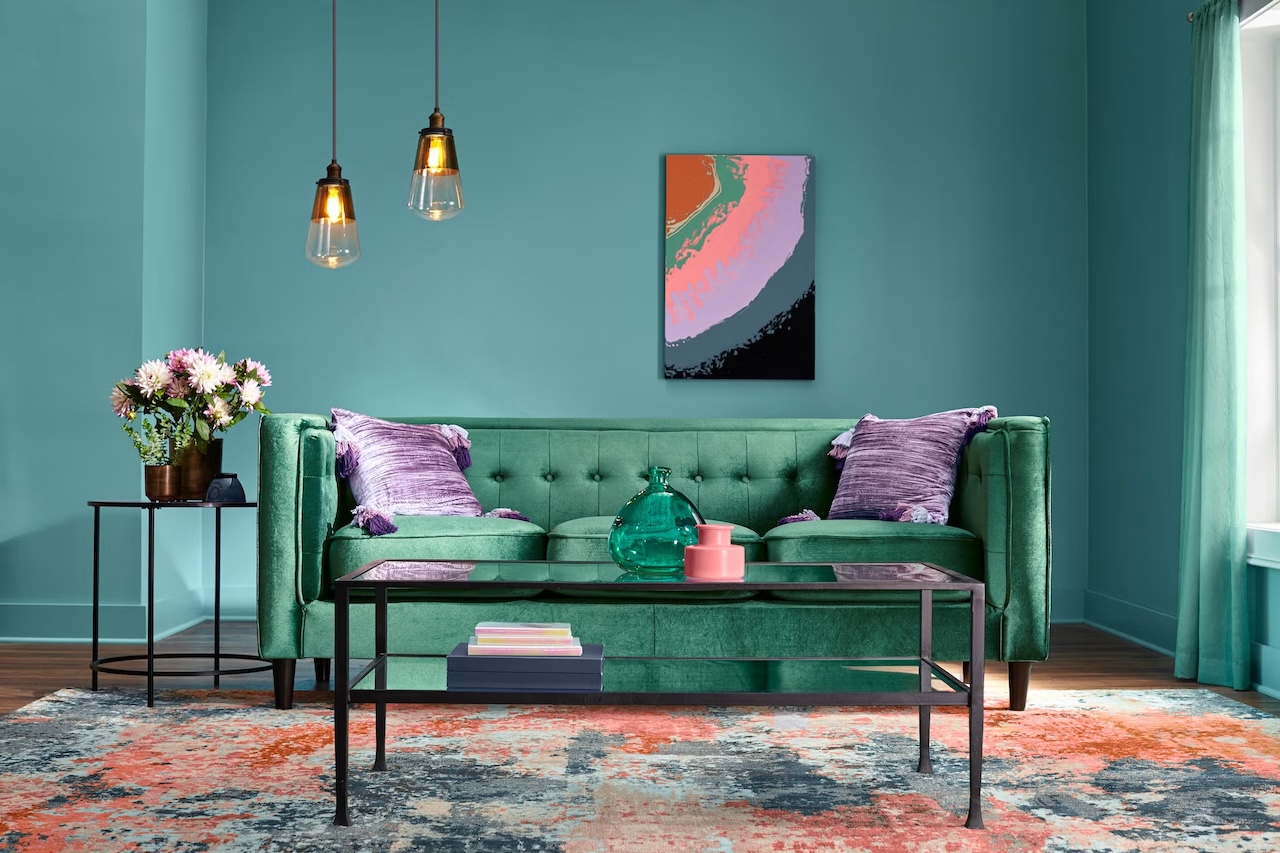
image source : elledecor.com
The realities of an exposed coastal property mean that standard architectural paints are often insufficient. In many seaside locations, ordinary exterior paints can degrade, blister, or fail completely within just three to five years. Airborne salt deposition is a major culprit. It accumulates on surfaces, attracts moisture, and accelerates the decay of building facades while causing underlying paint layers to fail and metal fixings to corrode rapidly. Without the right protective barriers in place, structural integrity and curb appeal both suffer greatly, leading to costly premature repairs.
To combat this rapid degradation, securing local expertise is essential. For instance, experienced painters Mornington Peninsula understand the unique microclimates of coastal Victoria and know exactly how to prepare surfaces to resist harsh marine conditions. They typically advise homeowners to wash their exterior windows and vulnerable facades every eight to twelve weeks. This routine maintenance actively manages the corrosive salt buildup coming off nearby bays and straits, ultimately extending the lifespan of your exterior finish and preventing deep-seated rot in timber frames.
Choosing High-Performance and Health-Conscious Coatings
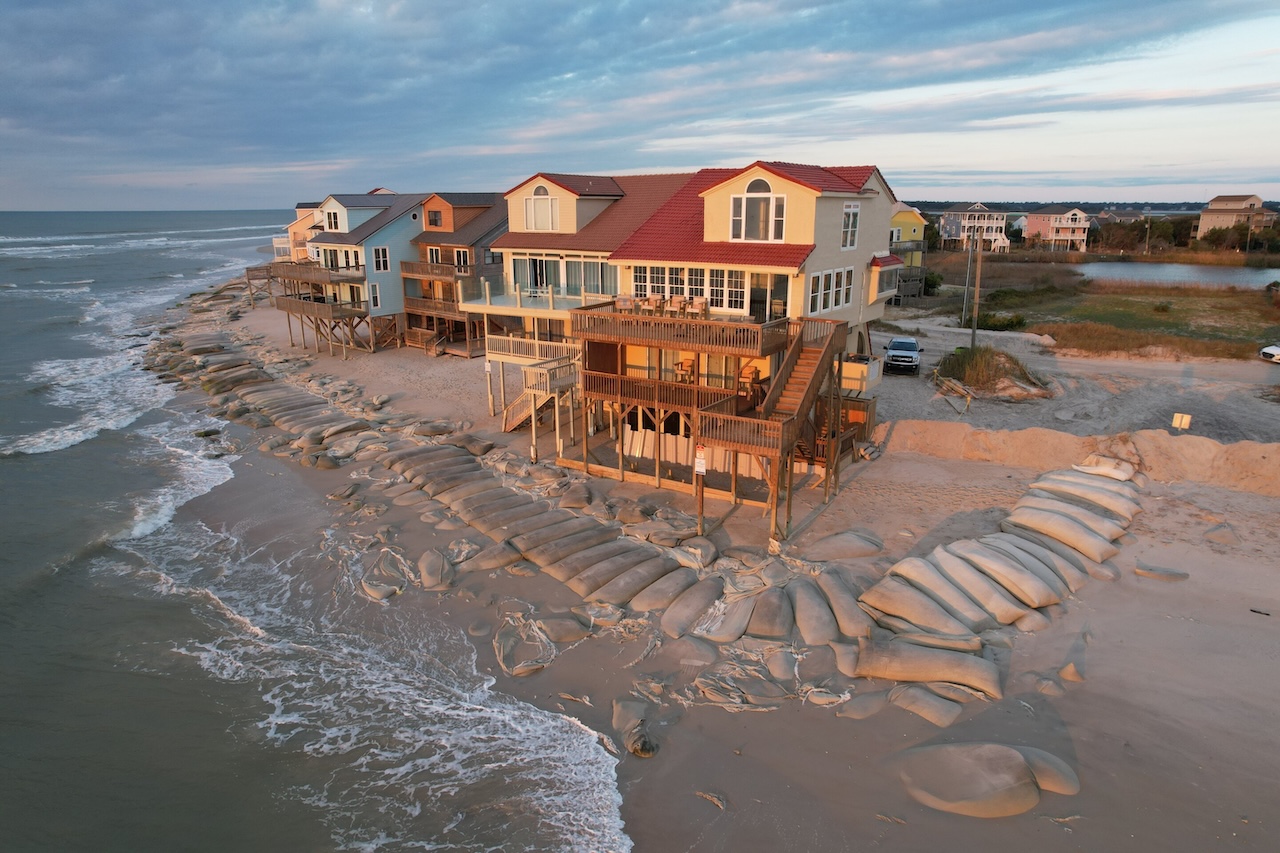
image source : phys.org
Protecting your home from the intense Australian UV index requires specialised materials. The sun can quickly break down the chemical binders in standard exterior coatings, causing surfaces to chalk prematurely. Fortunately, modern high-performance exterior coatings feature UV inhibitors, mould-resistant additives, and flexible membrane technology. These innovations allow the paint to expand and contract with the constant thermal shifts typical of coastal homes. Furthermore, professionals in bayside regions are increasingly utilising self-cleaning, hydrophobic paint technologies that naturally repel dirt, pollution, and salt spray, ensuring your facade remains pristine year-round.
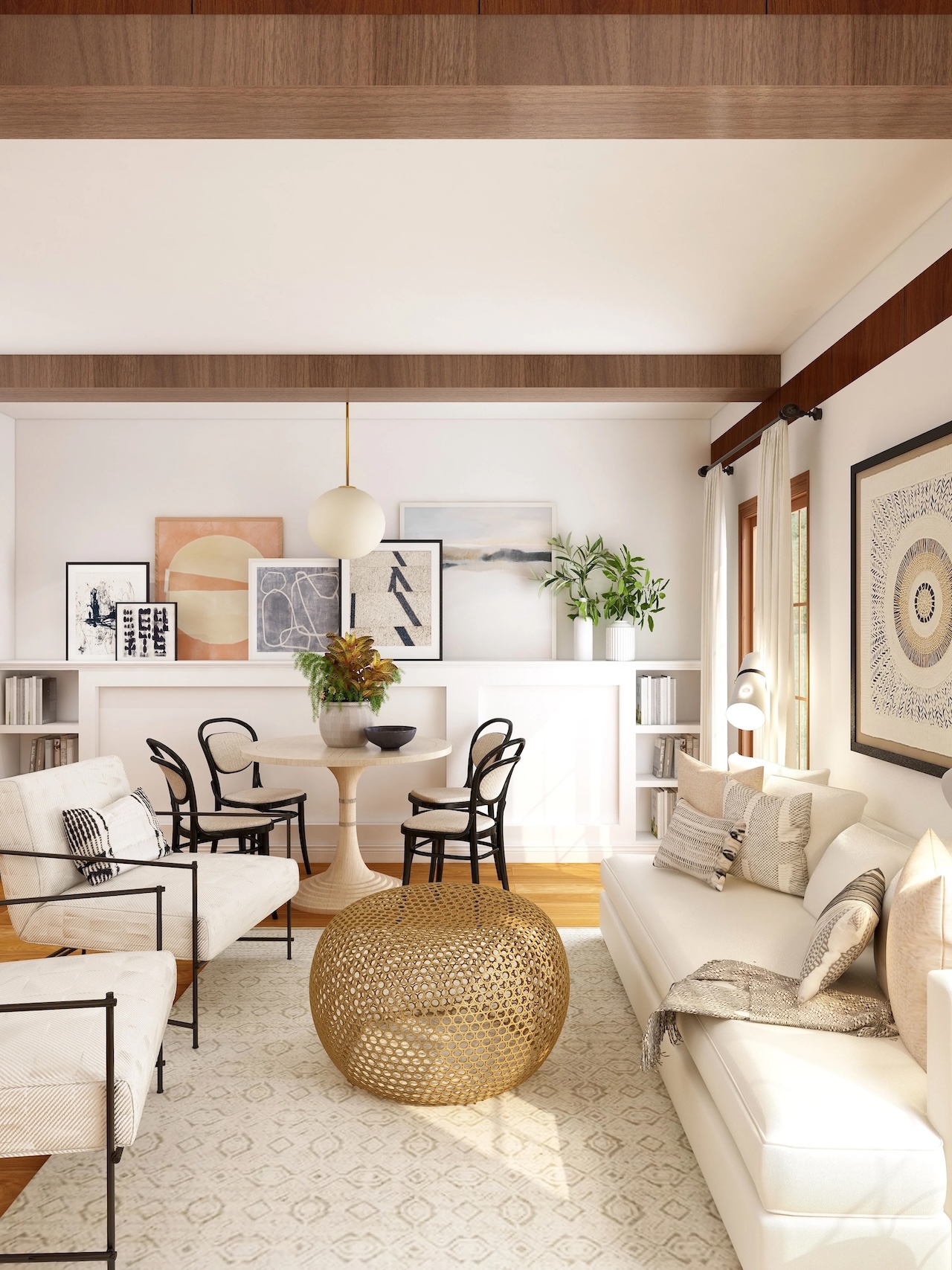
image source : blog.brushandrollpainting.com
While exterior durability is crucial, the interior environment requires equal attention, particularly concerning indoor air quality. When selecting fresh coastal colours for your living spaces, prioritising low-VOC (Volatile Organic Compound) paints is a smart health decision. According to the United States Environmental Protection Agency, levels of common organic pollutants can be two to five times higher inside homes than outside, largely due to off-gassing from traditional household products like paints and varnishes. Choosing modern, eco-friendly formulations helps ensure your beautiful new interior does not compromise the air you breathe, keeping your family safe.
Modern Coastal Colour Trends for 2026
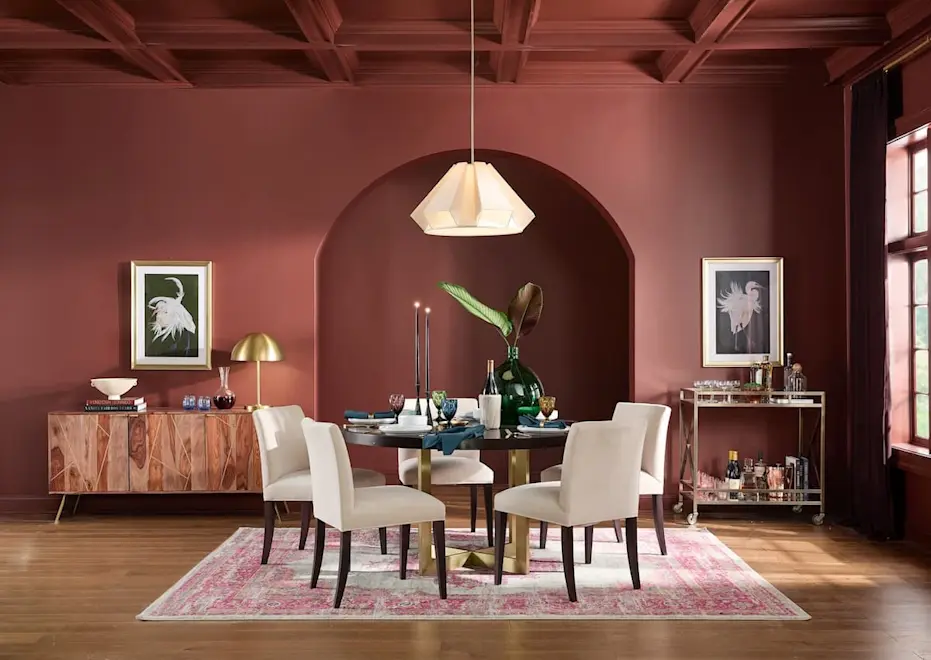
image source : newhomesource.com
With the structural and health considerations addressed, the focus can shift to design. The traditional stark, blinding white coastal look is evolving. Today, designers are leaning into palettes that reduce glare while fostering a deep connection to nature. This approach works beautifully when styling an elegant interior for a minimalist home, where subtle textures and muted tones are allowed to take centre stage without overwhelming the space. Embracing a softer, more integrated design philosophy ensures the property feels both contemporary and wonderfully timeless.
When planning your coastal transformation, consider incorporating these emerging colour trends and finishes:
- Warm, Glare-Resistant Whites: Instead of brilliant whites that reflect the harsh Australian sun, coastal homes are shifting toward shades like White Dune Half. These offer a softer, more restful aesthetic that is much easier on the eyes.
- The Elemental Palette: Highlighting warm whites, nature-inspired neutrals, and soft greys, this design trend is highly popular for bringing a much-needed sense of calm and structure to modern living spaces.
- Ethereal and Biophilic Hues: Introducing delicate, pastel-like colours (such as gentle greens, blush pinks, and mauves) can make your rooms feel incredibly airy, biophilic, and softly expressive.
- Earthy Maximalism: For those wanting a bold visual contrast to grounded, weather-resistant exteriors, using rich, earthy tones on interior feature walls adds instant character and depth to your home.
Transforming a coastal property is about much more than applying a fresh coat of colour. It requires a thoughtful approach that pairs the latest design trends with advanced, weather-resistant technologies. By understanding the local climate, choosing the right high-performance products, and selecting palettes that complement a relaxed seaside lifestyle, you can create a beautiful sanctuary that stands the test of time against the elements. Whether you are updating a classic beach shack or a sprawling modern waterfront estate, the principles remain the same. Prioritising quality materials, expert application, and thoughtful colour selection will yield beautiful, enduring results.